Viltnemnda Explained: Roles and Responsibilities in Norwegian Wildlife Management

Norway is famous for its forests, mountains, lakes, and diverse wildlife. Animals such as moose, red deer, foxes, and wild reindeer are important parts of its natural environment. Managing wildlife requires careful decisions that protect animal populations while considering road safety, agriculture, hunting, and local communities. Viltnemnda is a Norwegian term associated with wildlife committees and local wildlife-management arrangements. These committees have traditionally played roles in municipal wildlife administration, although their specific responsibilities can vary. Understanding Viltnemnda also requires recognizing the wider system of Norwegian authorities responsible for wildlife, hunting, and conservation. No single committee manages every species or wildlife issue throughout the country. Instead, local and national bodies work within a legal framework designed to encourage responsible wildlife management, protect natural resources, and reduce conflicts between people and animals.
Quick Information Table
| Data Point | Information |
|---|---|
| Main topic | Viltnemnda |
| Country | Norway |
| Norwegian meaning | Wildlife committee |
| Subject area | Wildlife management |
| Administrative context | Local and municipal arrangements |
| Main concern | Responsible management of wildlife |
| Conservation objective | Protecting healthy animal populations |
| Wildlife examples | Moose, deer, foxes, and other wild animals |
| Hunting connection | Regulated hunting and wildlife administration |
| Public safety | Addressing certain wildlife-related risks |
| Environmental importance | Supporting sustainable wildlife practices |
| Community involvement | Residents, landowners, and relevant authorities |
| Legal framework | Norwegian wildlife legislation |
| New legislation | Viltressursloven |
| Effective date of new law | 1 July 2026 |
1. Understanding the Meaning of Viltnemnda
Viltnemnda is a Norwegian term associated with wildlife committees and local wildlife management. However, it should not be treated as the name of one national authority with identical powers throughout Norway. Under Norway’s wildlife-management framework, municipalities, county authorities, and state authorities have different responsibilities. Special committees, including regional predator-management committees and wild reindeer committees, also have defined roles. The term Viltnemnda is therefore best understood in its local administrative context. Anyone researching a particular committee should consult the relevant municipality to establish whether it exists locally and what responsibilities it currently holds.
2. Supporting Wildlife Conservation
Wildlife conservation involves maintaining healthy animal populations and protecting the natural environments in which they live. Norway’s landscapes support many species, each with different habitat requirements and ecological roles. Local wildlife-management arrangements can contribute by helping authorities understand animal-related concerns and encouraging responsible decisions. Conservation may involve monitoring wildlife, protecting important habitats, and managing interactions between animals and people. In some circumstances, regulated hunting is also part of wildlife management. However, conservation decisions should be based on applicable regulations, reliable information, and the long-term condition of animal populations. Viltnemnda-related activities should therefore be understood as one possible part of a wider effort to manage wildlife responsibly.
3. Wildlife Management and Hunting
Hunting is an established activity in Norway and is regulated by national legislation and related rules. Municipalities have specific responsibilities for managing certain wildlife species, including moose, red deer, and roe deer, within the applicable legal framework. Depending on the species and situation, other authorities may be responsible for permits, hunting quotas, or additional decisions. It would therefore be inaccurate to suggest that every Viltnemnda independently controls hunting throughout Norway. Responsible wildlife management requires compliance with current hunting regulations, attention to animal welfare, and decisions that reflect local wildlife populations and environmental conditions.
4. Responding to Injured Wildlife
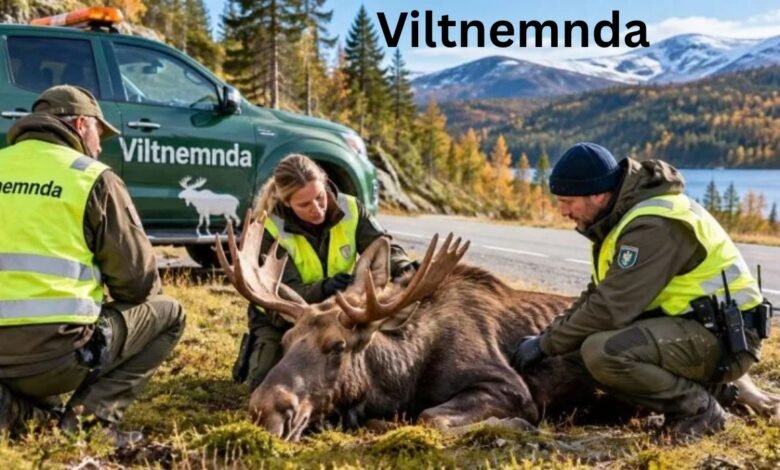
Injured wildlife may require a response from trained personnel and the appropriate public authority. Under Norway’s wildlife-management framework, municipalities have responsibilities for searching for and, when necessary, arranging the humane killing of certain sick or injured wild animals outside hunting activities. Special procedures apply to some large predators, for which the relevant state authority and police must be notified. The responsible authority depends on the species and circumstances, so it should not be assumed that a Viltnemnda handles every incident. Members of the public should report injured wildlife through the appropriate official channel and avoid approaching or attempting to handle the animal themselves.
5. Promoting Public Safety
Wild animals sometimes enter residential areas, cross busy roads, or move close to farms and public spaces. These encounters can cause accidents, property damage, and concern among residents. Wildlife management can help address such issues through communication, appropriate reporting procedures, and cooperation between relevant authorities. Practical prevention may include wildlife-warning signs, suitable fencing, and public education about animal behavior. Local wildlife committees may contribute where their responsibilities permit, but urgent incidents must be reported to the appropriate emergency or public service. The aim is to reduce risks while respecting the ecological importance of wildlife and avoiding unnecessary harm to animals.
6. Understanding Norway’s Wildlife Legislation
Norway’s wildlife management is governed by national legislation and related regulations. The Wildlife Resources Act, known in Norwegian as viltressursloven, entered into force on 1 July 2026, replacing the Wildlife Act of 1981. The new law provides a framework for the sustainable and responsible management of wildlife through hunting, trapping, and other regulated activities. Municipalities and county authorities have duties under the law, while state authorities retain their own responsibilities. The exact rules applicable to a wildlife incident or hunting activity depend on the species, circumstances, and relevant regulations. Readers should consult current official Norwegian guidance rather than rely solely on older articles that may describe the previous legal framework.
7. Cooperation Between Different Authorities
Wildlife management in Norway involves municipal, county, and state authorities, each with responsibilities established by law. Municipalities handle particular local wildlife matters, while regional predator-management committees deal with designated issues concerning large carnivores. Wild reindeer committees have separate responsibilities relating to wild reindeer management. These organizations should not be confused with one another, as their powers and areas of responsibility differ. Cooperation allows local observations and concerns to be considered alongside broader conservation objectives. For this reason, understanding Viltnemnda requires checking the relevant local arrangements instead of assuming that every wildlife-related decision falls under the same committee.
8. The Importance of Reliable Wildlife Information
Effective wildlife management depends on accurate information about animal populations, habitats, movements, and environmental changes. Authorities may use wildlife surveys, monitoring programs, field observations, and reports from trained personnel to understand local conditions. Residents and landowners can also provide useful information because they may regularly observe wildlife in their surroundings. However, individual sightings do not necessarily indicate whether an animal population is increasing or declining. Observations should be considered alongside reliable research and other relevant evidence. By combining scientific information with documented local knowledge, authorities can make more informed decisions and explain the reasons behind management measures.
9. Protecting Wildlife Habitats
Animals need suitable places to feed, reproduce, find shelter, and move between habitats. Roads, construction, and changes in land use can fragment these environments and disrupt established movement routes. Although Viltnemnda is not responsible for every aspect of environmental planning, local wildlife concerns may be relevant to wider discussions about land development and habitat protection. Wild reindeer, for example, depend on extensive landscapes, making cooperation across municipal boundaries particularly important. Habitat protection requires coordination between environmental authorities, planners, landowners, and communities. Protecting natural areas can benefit wildlife populations while preserving the ecological value of Norway’s distinctive landscapes.
10. Encouraging Community Participation
Local communities can contribute meaningfully to wildlife management by reporting incidents, following hunting regulations, and cooperating with relevant authorities. Public awareness is particularly important in areas where homes, farms, roads, and wildlife habitats overlap. Educational information can explain how to behave during wildlife encounters, why feeding wild animals may create problems, and how to report injured animals. Residents should also understand that different situations may require different authorities. When people know where to seek guidance, problems can be reported more efficiently. Community participation does not replace professional expertise or legal requirements, but it can strengthen responsible wildlife management.
11. Challenges in Wildlife Management
Wildlife management must balance several interests, including conservation, agriculture, hunting, animal welfare, and human safety. Conflicts can arise when animals damage crops, threaten livestock, or cause traffic accidents. Environmental changes and habitat disturbance may create additional pressures by affecting food availability and animal movements. Another challenge is ensuring that decisions are based on current information and communicated clearly to the public. People may disagree about appropriate management measures, especially when wildlife affects their livelihoods or local environment. Transparent decision-making, cooperation, and consistent application of the law can help authorities address these challenges while maintaining a focus on sustainable wildlife management.
12. The Future of Viltnemnda
The future of local wildlife management in Norway will depend on clear responsibilities, reliable evidence, and cooperation between communities and public authorities. Digital reporting tools and improved access to environmental information may help officials respond to incidents and identify emerging concerns. Nevertheless, technology cannot replace field knowledge, professional assessment, or sound legal decision-making. Local wildlife arrangements may also evolve as municipal priorities and administrative structures change. For this reason, anyone researching Viltnemnda should consult current municipal information rather than assume that older descriptions remain accurate everywhere. A flexible, informed approach can help communities address wildlife concerns while respecting Norway’s wider conservation objectives.
13. Final Thoughts
Viltnemnda is a useful term for exploring Norway’s approach to local wildlife management, but its meaning and responsibilities should be understood in the correct administrative context. Wildlife conservation depends on cooperation between municipalities, county authorities, state agencies, and specialized committees. Their work can involve responsible hunting, wildlife-related safety concerns, and the protection of animal populations within the limits of applicable law. Because responsibilities differ according to species and situation, readers should verify the role of the relevant authority before drawing specific conclusions. Understanding these distinctions provides a more accurate picture of how Norway manages its wildlife and works to protect its natural environment.
Frequently Asked Questions (FAQs)
1. What does Viltnemnda mean?
Viltnemnda is a Norwegian term associated with a wildlife committee. It is used in the context of local wildlife management, including certain municipal responsibilities and traditional hunting-related administration. The exact role depends on the local administrative arrangement and applicable legislation.
2. What are the main responsibilities of Viltnemnda?
Responsibilities associated with local wildlife committees may include aspects of wildlife administration, hunting-related matters, and cooperation on local wildlife concerns. Not every committee has identical duties, so the relevant municipality should be consulted for accurate information.
3. How does Viltnemnda support conservation?
Local wildlife-management arrangements can help address animal-related concerns, encourage responsible practices, and connect residents with appropriate authorities. Conservation also depends on habitat protection, scientific monitoring, national legislation, and cooperation between different public bodies.
4. Does Viltnemnda control all hunting in Norway?
No. Hunting is governed by national legislation and related regulations. Different authorities have specific responsibilities, and local committees do not automatically control every hunting decision, species, or permit.
5. How can someone contact Viltnemnda?
Start by contacting the municipality where the wildlife concern has occurred. Ask which department or designated service handles wildlife management. For urgent road hazards or dangerous situations, use the appropriate official emergency or reporting channel rather than approaching the animal yourself.