

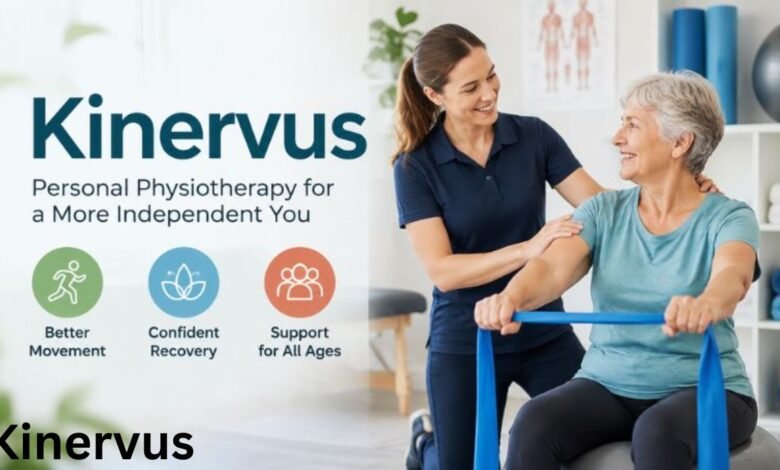
Physical movement plays an important role in maintaining independence, confidence, and quality of life. Everyday activities such as walking, climbing stairs, maintaining balance, and completing household responsibilities depend on the body’s ability to function properly. However, injuries, neurological conditions, developmental difficulties, and other physical challenges can make these activities difficult. This is where physiotherapy and modern rehabilitation become valuable. Kinervus is a physiotherapy group practice located in Alken, Limburg, Belgium. Founded by physiotherapist Stefanie Ver Eecken in 2019, the practice provides specialized rehabilitation services designed around individual patient needs. Its areas of expertise include neurological rehabilitation, pediatric rehabilitation, manual lymphatic drainage, and other physiotherapy treatments. Through professional guidance, personalized exercises, and patient-focused care, Kinervus aims to help individuals work toward better movement, physical functioning, and everyday independence.
Quick Information Table
| Information | Details |
|---|---|
| Name | Kinervus |
| Organization Type | Physiotherapy Group Practice |
| Country | Belgium |
| Location | Alken, Limburg |
| Practice Founded | 2019 |
| Founder | Stefanie Ver Eecken |
| Main Profession | Physiotherapy |
| Main Specialty | Neurological Rehabilitation |
| Additional Specialty | Pediatric Rehabilitation |
| Other Treatment | Manual Lymphatic Drainage |
| Lymphatic Technique | Vodder Method |
| Additional Techniques | Kinesiotaping |
| Group Activities | Supervised Group Lessons |
| Main Objective | Supporting Mobility and Physical Function |
| Official Website | kinervus.be |
1. Understanding Kinervus and Its Purpose
Kinervus is a professional physiotherapy practice that provides rehabilitation services for people with different physical needs. It began as the practice of Stefanie Ver Eecken and developed into a group practice involving therapists with complementary areas of expertise. Its approach recognizes that patients do not experience identical movement difficulties and therefore require appropriate individual attention. Someone recovering from a neurological condition may need a different rehabilitation program from a child experiencing developmental movement challenges. By considering these differences, Kinervus focuses on selecting suitable treatment methods and establishing practical goals. The central purpose of rehabilitation is to help patients improve or maintain their physical abilities and manage everyday activities more effectively.
2. The Importance of Modern Physiotherapy
Physiotherapy is an important part of healthcare because movement difficulties can influence many areas of daily life. Reduced muscle strength, poor balance, limited flexibility, and coordination problems may make ordinary responsibilities more challenging. Modern physiotherapy uses professional assessments, therapeutic exercises, and appropriate treatment techniques to address these difficulties. The treatment process generally begins with understanding the patient’s physical condition and identifying activities that require improvement. At Kinervus, personalized guidance is an important part of the practice’s rehabilitation approach. Treatment objectives may involve improving movement control, maintaining existing abilities, or developing greater confidence when performing everyday physical activities.
3. Neurological Rehabilitation and Its Benefits
Neurological rehabilitation is one of the main specialties associated with Kinervus. Neurological conditions affect the nervous system and can influence how the brain communicates with muscles and other parts of the body. People affected by stroke, multiple sclerosis, Parkinson’s disease, spinal cord injuries, and other neurological disorders may experience difficulties with walking, coordination, balance, or muscle control. Neurological physiotherapy uses suitable exercises and functional activities to address these challenges. Treatment depends on the patient’s diagnosis, physical abilities, and medical circumstances. Rehabilitation may focus on developing movement skills, maintaining physical function, or improving independence. Results vary between individuals, but appropriate professional support can help patients work toward meaningful personal goals.
4. Personalized Rehabilitation for Different Patients
A successful rehabilitation program should reflect the needs of the individual receiving treatment. Medical history, physical limitations, previous injuries, daily responsibilities, and personal expectations can all influence the treatment process. Kinervus emphasizes personalized guidance by establishing goals according to each patient’s situation. For one individual, progress may involve walking more confidently, while another may need help improving coordination or performing specific movements. Physiotherapists can assess these requirements and adjust exercises according to the patient’s abilities. This individualized approach also allows treatment objectives to change as the rehabilitation process develops. Instead of focusing only on exercises, the purpose is to connect professional treatment with practical improvements in everyday life.
5. Pediatric Rehabilitation and Children’s Development
Children sometimes experience physical or developmental difficulties that affect their coordination, posture, balance, and movement abilities. Pediatric rehabilitation focuses on supporting children’s physical development through appropriate therapeutic activities and professional guidance. Kinervus identifies pediatric rehabilitation as one of its specialized treatment areas. Depending on individual requirements, therapy may involve exercises that support motor development, movement coordination, muscle strength, and functional abilities. Treatment activities should be suitable for a child’s age, condition, and development. Parents and caregivers can also contribute by following professional recommendations and providing appropriate support outside appointments. The objective is to help children develop physical abilities according to their individual needs rather than expecting every child to achieve identical results.
6. Manual Lymphatic Drainage and the Vodder Method
Manual lymphatic drainage is another important service associated with Kinervus. The lymphatic system helps maintain fluid balance and plays a role in the body’s immune functions. Certain medical conditions, injuries, and treatments can interfere with lymphatic circulation and contribute to swelling. Manual lymphatic drainage is a specialized technique involving gentle, controlled movements intended to support lymph movement. Stefanie Ver Eecken’s professional profile identifies additional training in the Vodder method. This approach differs from ordinary deep-tissue massage because it uses gentle techniques. Treatment suitability depends on the patient’s medical circumstances, and professional assessment is important before beginning therapy. It may form part of a wider rehabilitation program when clinically appropriate.
7. Kinesiotaping and Supportive Physiotherapy Techniques
Kinesiotaping is a supportive technique used in some physiotherapy settings. It involves applying flexible therapeutic tape to selected areas of the body while allowing relatively natural movement. Depending on the patient’s condition, a physiotherapist may consider this technique alongside other treatments as part of an individual care plan. However, it should not be considered a replacement for rehabilitation exercises or appropriate medical treatment. Stefanie Ver Eecken’s professional profile specifically identifies kinesiotaping among her areas of specialization. The suitability of this technique depends on the patient’s physical condition and the professional assessment of the treating physiotherapist.
8. Group Lessons and Physical Activity
Rehabilitation and physical conditioning do not always involve individual treatment sessions. Supervised group activities can provide another opportunity to participate in structured exercise and movement. Kinervus includes group lessons among its publicly described services. Such activities can encourage participants to maintain regular physical activity while benefiting from a shared environment. Depending on the activity, exercises may support strength, coordination, balance, and general physical conditioning. However, group activities are not necessarily suitable for every patient. People with particular medical conditions or movement limitations may need individual assessment before participating. The appropriate activity should always reflect the participant’s physical abilities and professional recommendations.
9. The Kinervus Team and Professional Expertise
Kinervus operates as a group practice with several physiotherapists who contribute to its rehabilitation services. The practice identifies neurological rehabilitation, pediatric rehabilitation, and manual lymphatic drainage among its main areas of specialization. Individual therapists may have different professional backgrounds and treatment experience. This group-based structure allows the practice to address different rehabilitation requirements within one setting. Patients should discuss their particular concerns with the practice to identify the most appropriate therapist and treatment approach. The team’s official profile provides additional information about its members and their professional interests.
10. Pelvic-Floor Therapy and Specialized Care
Pelvic-floor therapy is another service associated with Kinervus in a Belgian regional business listing. Pelvic-floor physiotherapy focuses on muscles and supporting structures that contribute to bladder control, bowel function, and pelvic stability. Some individuals may experience difficulties involving muscle weakness, excessive tension, or coordination problems in this area. Treatment can involve professional assessment and exercises selected according to individual needs. However, pelvic-floor therapy requires specialized knowledge and should be approached with appropriate privacy and clinical care. Because this service is identified in a local listing rather than clearly detailed on the practice’s official homepage, patients should contact Kinervus directly to confirm its current availability and treatment arrangements.
11. How Rehabilitation Supports Everyday Independence
One of the most meaningful objectives of physiotherapy is helping individuals manage everyday activities more effectively. Physical limitations can affect walking, standing, dressing, working, and participating in social activities. Rehabilitation can address these difficulties through exercises that develop strength, coordination, balance, and movement control. For example, practicing functional movements may help a patient work toward standing from a chair or moving around the home more confidently. Progress depends on the underlying condition and individual circumstances. Complete recovery cannot always be achieved, particularly with some long-term neurological conditions. Even so, maintaining existing abilities and developing practical movement skills can contribute to a better quality of life.
12. Preparing for Appointments and Continuing Treatment
Preparation can make physiotherapy appointments more productive. Patients should be ready to discuss their medical history, symptoms, previous treatments, and the physical activities they find difficult. Kinervus provides contact information through its official website and advises patients to arrange appointments through the available contact channels. Bringing relevant medical documents and following any appointment instructions can help the therapist understand individual requirements. Patients should also discuss home exercises and treatment recommendations before beginning independent practice. Consistency is important, but exercises should never be performed beyond personal physical limits. Reporting discomfort or unexpected symptoms allows the therapist to review the treatment approach when necessary.
13. The Future of Personalized Rehabilitation
Physiotherapy continues to develop through professional education, clinical research, and improved understanding of human movement. Modern rehabilitation increasingly recognizes the importance of individual treatment goals, functional exercises, and patient participation. Practices such as Kinervus demonstrate how different physiotherapy specialties can serve patients within a community healthcare setting. Neurological rehabilitation, pediatric care, lymphatic treatment, and other therapeutic approaches each require specific professional knowledge. As rehabilitation methods continue to evolve, appropriate assessment and evidence-informed treatment remain essential. The future of physiotherapy is not simply about introducing new techniques or equipment. It is also about understanding patients, selecting suitable treatments, and supporting meaningful improvements in physical functioning.
Final Thoughts
Kinervus represents a specialized approach to physiotherapy and rehabilitation in Alken, Belgium. Founded by Stefanie Ver Eecken in 2019, the practice has developed into a group setting with professionals offering different areas of physiotherapy expertise. Its publicly described services include neurological rehabilitation, pediatric rehabilitation, manual lymphatic drainage, group lessons, and additional treatment techniques. Pelvic-floor therapy is also mentioned in a regional business listing, although patients should confirm its current availability directly with the practice. Overall, Kinervus reflects the importance of personalized rehabilitation and professional support in addressing different physical needs. Although treatment outcomes vary, suitable physiotherapy can help individuals work toward improved movement, greater independence, and better management of everyday activities.
Frequently Asked Questions (FAQs)
1. What is Kinervus?
Kinervus is a physiotherapy and rehabilitation group practice located in Alken, Limburg, Belgium. It provides specialized services that include neurological rehabilitation, pediatric rehabilitation, manual lymphatic drainage, and group lessons. Its approach emphasizes personalized treatment and professional guidance according to individual patient requirements.
2. Who founded Kinervus?
Physiotherapist Stefanie Ver Eecken founded Kinervus in 2019. Her professional interests include neurological rehabilitation and manual lymphatic drainage. The practice subsequently developed into a group setting involving therapists with different areas of physiotherapy expertise.
3. What treatments does Kinervus provide?
Kinervus publicly identifies neurological rehabilitation, pediatric rehabilitation, manual lymphatic drainage, and group lessons among its services. Its founder’s professional profile also lists kinesiotaping. Additional techniques and team specializations include manual therapy and dry needling. Patients should contact the practice to confirm current treatment availability.
4. Where is Kinervus located?
Kinervus is located at Steenweg 121 Z/C, 3570 Alken, Belgium. The practice can be contacted by telephone at 011 78 11 78 or by email at info@kinervus.be. Its official website provides further information about appointments and available services.
5. Does Kinervus offer personalized rehabilitation?
Yes. Personalized treatment is an important part of the practice’s approach. Rehabilitation goals are considered according to individual circumstances, physical abilities, and treatment requirements. This allows physiotherapy to focus on practical movement challenges rather than following an identical program for every patient.