
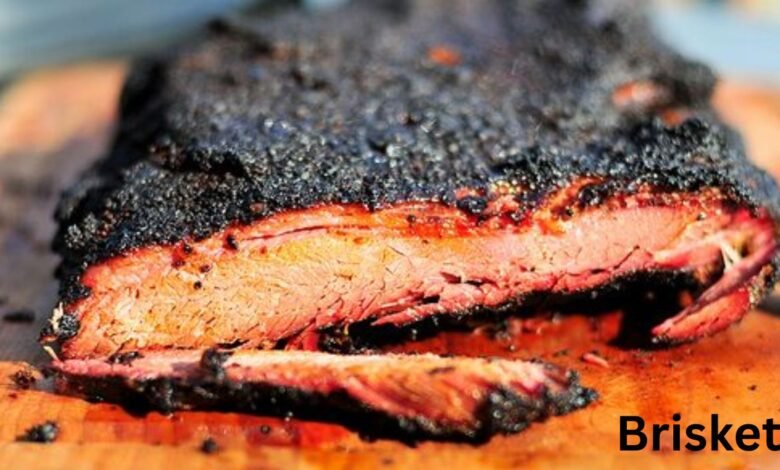
Brisket is a flavorful cut of beef that becomes exceptionally tender when cooked with the right technique. Taken from the lower chest of the cow, it contains connective tissue that needs time and heat to soften. Brisket is popular in American barbecue, but it also works well in oven-roasted meals, slow-cooker recipes, and pressure-cooked dishes. Choosing the best cooking method depends on your available equipment, preparation time, and preferred flavor. This guide explains the most practical ways to cook brisket and how to achieve delicious results at home.
Quick Information Table
| Data Point | Details |
|---|---|
| Main ingredient | Beef brisket |
| Meat location | Lower chest of the cow |
| Common sections | Flat and point |
| Flavor | Rich, savory, beefy |
| Popular cuisine | American barbecue |
| Oven temperature | 275–325°F (135–163°C) |
| Smoker temperature | 225–275°F (107–135°C) |
| Slow cooker method | Low, moist heat |
| Pressure cooker method | Cooking under pressure |
| Braising liquid | Beef stock or suitable broth |
| Common seasonings | Salt, pepper, garlic, paprika |
| Tenderness indicator | A probe enters with little resistance |
| Common serving options | Sandwiches, potatoes, vegetables |
| Whole-cut beef safety minimum | 145°F (63°C), followed by a three-minute rest |
| Leftover storage | Refrigerate for 3–4 days |
Cooking times vary according to the size, thickness, and condition of the brisket.
1. Understanding Brisket Before Cooking
This cut of beef requires more cooking time than naturally tender cuts because it contains substantial connective tissue. Slow cooking helps collagen break down, creating a softer texture. There are two common sections: the flat and the point. The flat is leaner and generally easier to slice evenly, while the point contains more fat and often produces richer results. Understanding these differences helps you select the right cut for your recipe. Both sections can become delicious when cooked carefully without excessive heat or unnecessary moisture loss.
2. Preparing Brisket for Better Flavor
Good preparation improves the flavor and consistency of the finished dish. Trim away excessive hard fat while leaving an appropriate amount to protect the meat during cooking. Season the surface with salt, black pepper, garlic powder, and paprika, or choose a simple salt-and-pepper mixture for traditional barbecue. Apply the seasoning evenly and refrigerate the meat if you allow it to rest before cooking. Keep raw beef away from ready-to-eat foods, and wash your hands and utensils after handling it. Proper preparation gives every cooking method a stronger starting point.
3. Cooking Brisket in the Oven
The oven is a convenient option for home cooks who want tender beef without specialized equipment. Place the seasoned meat in a roasting dish, add some beef stock if you are braising it, and cover the dish tightly. A temperature of approximately 275–325°F (135–163°C) works for many recipes. Check the meat periodically because cooking time depends on its size and thickness. Uncovering it near the end can improve browning. After cooking, let the meat rest briefly and slice it against the grain for a more tender bite.
4. Smoking Brisket for Barbecue Flavor
Smoking is an excellent choice for cooks who enjoy traditional barbecue. A smoker operating around 225–275°F (107–135°C) cooks the brisket gradually while adding a distinctive wood-smoke aroma. Oak is popular for Texas-style barbecue, although other suitable hardwoods offer different flavors. Monitor the smoker’s temperature and use a reliable meat thermometer. Some cooks wrap the brisket after its outer crust develops to help manage moisture and cooking time. Continue cooking until the meat feels tender when tested with a probe rather than relying entirely on a particular temperature.
5. Using a Slow Cooker
A slow cooker makes brisket convenient for busy households because it requires little active attention. Place the seasoned meat in the cooker with a modest amount of broth, onions, or garlic. Follow your appliance’s instructions and a reliable recipe for cooking time and settings. Avoid adding excessive liquid because the meat releases moisture during cooking. The result is usually tender, braised beef rather than traditional smoked barbecue. For a browned exterior, sear the meat before slow cooking. Serve the finished brisket sliced or shredded in sandwiches, tacos, and other easy meals.
6. Making Brisket in a Pressure Cooker
A pressure cooker can prepare brisket more quickly than conventional slow-cooking methods. Season the meat and brown it using the appliance’s sauté function if available. Add the required cooking liquid according to the manufacturer’s instructions, then cook using a suitable brisket recipe. Allow pressure to release as directed by the appliance manual. Check tenderness before serving, as some pieces may need additional cooking. Pressure-cooked brisket is especially useful for shredded beef, rice bowls, and sandwiches. However, it generally will not develop the same smoky flavor and crust as meat prepared in a smoker.
7. Braising Brisket in a Covered Pot
Braising combines browning with gentle cooking in liquid. Begin by browning the brisket on several sides in a suitable pot. Remove it temporarily, soften onions and garlic, and add beef stock or another flavorful liquid. Return the meat, cover the pot, and cook gently until tender. You can braise brisket on the stovetop or in the oven using a suitable oven-safe pot. After cooking, the remaining liquid can become a rich sauce. This method is ideal for hearty family meals served with mashed potatoes or roasted vegetables.
8. Choosing the Right Temperature
Temperature control helps brisket develop the texture people expect from this cut. Many recipes use an internal temperature around 195–205°F (91–96°C) as a guide to tenderness, but the ideal finishing point varies. Test the thickest areas with a thermometer and probe. The meat should feel tender rather than resistant. For food safety, whole cuts of beef should reach at least 145°F (63°C), followed by a three-minute rest; brisket typically requires additional cooking to soften its connective tissue. Use recipe timing as an estimate, not a guarantee.
9. Keeping Brisket Moist and Tender
This beef cut can turn out tough or dry when cooking conditions are unsuitable. If the meat remains tough, it may need more time for its connective tissue to soften. Continue cooking gently and test it again. For lean cuts, covered cooking and appropriate moisture management can help preserve texture. Avoid opening a smoker too frequently because temperature changes can extend the cooking process. Rest the cooked meat before slicing, cut across the grain, and spoon a little reserved cooking juice over the slices if desired. These simple steps can improve the final result.
10. Serving and Storing Brisket
This dish pairs well with coleslaw, baked beans, potato salad, cornbread, and pickles. Oven-braised portions also work with rice, mashed potatoes, and roasted vegetables. Thin slices make satisfying sandwiches, while chopped meat can fill tacos or baked potatoes. Refrigerate cooked leftovers within two hours in shallow containers and use them within three to four days. Freeze portions if you need longer storage. Reheat leftovers to 165°F (74°C), adding a little broth or reserved cooking liquid to help prevent drying. Always keep raw meat separate from cooked food.
11. Common Mistakes to Avoid
One common mistake is judging brisket by time alone. Meat thickness, fat content, and cooking equipment all affect how quickly it becomes tender. Another mistake is slicing with the grain, which creates longer muscle fibers and makes the meat harder to chew. Excessive heat can also dry the exterior before the interior becomes tender. Season evenly, follow appropriate equipment instructions, and check tenderness before removing the brisket from the heat. With experience, you will become better at recognizing the texture and cooking conditions that produce consistent results.
Final Thoughts
The best brisket cooking method depends on your preferred flavor, available equipment, and schedule. Smoking delivers distinctive barbecue character, oven cooking offers convenience, slow cooking provides an easy hands-off approach, and pressure cooking saves time. Braising is an excellent option for rich sauces and comforting meals. Whichever method you choose, start with a suitable cut, season it evenly, monitor the cooking process, and allow enough time for tenderness. Resting the meat and slicing against the grain will also help improve the final texture. With patience and careful preparation, brisket can become a satisfying dish for everyday dinners and special gatherings.
Frequently Asked Questions
1. What is the best way to cook brisket?
Smoking is ideal for traditional barbecue flavor, while oven braising is practical for home cooking. Slow cookers are convenient, and pressure cookers reduce cooking time. The best option depends on your equipment, schedule, and preferred texture.
2. How long does brisket take to cook?
Cooking time depends on the brisket’s size, thickness, and cooking method. Smoked brisket can take many hours, while pressure cooking is usually faster. Always check tenderness instead of relying solely on a timer.
3. What temperature makes brisket tender?
Many briskets become tender around 195–205°F (91–96°C), although the exact point varies. A probe should enter the meat with little resistance. This is a tenderness guide, not the minimum food-safety temperature.
4. Should brisket be covered while cooking?
Covering brisket helps retain moisture during oven braising and many slow-cooker recipes. Smoked brisket is generally cooked uncovered initially to develop its outer crust, although wrapping it later can help manage moisture and cooking time.
5. How do you keep brisket from drying out?
Use an appropriate temperature, allow enough cooking time, and avoid holding the meat hot unnecessarily. Rest it before slicing, cut against the grain, and serve with cooking juices when available. Refrigerate leftovers promptly and reheat them thoroughly.