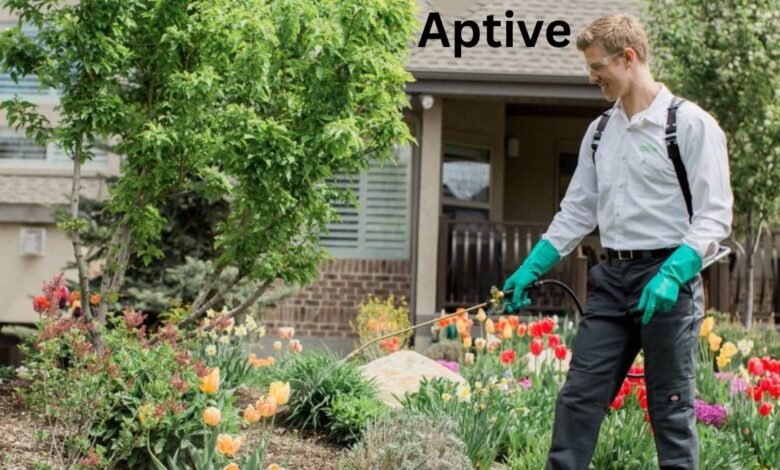
Maintaining a clean and comfortable home requires more than regular cleaning and occasional repairs. Unwanted insects and other pests can enter through small openings, gather around gardens, and create problems in kitchens, bathrooms, garages, and outdoor spaces. When these issues continue, professional pest management may become a practical option. Aptive Environmental is a residential pest control company that provides inspections, targeted treatments, and recurring protection plans. Its services are designed to address common household pests while considering local conditions and seasonal activity. Understanding how Aptive operates, what its plans include, and what homeowners should expect can help people make an informed decision before choosing a pest control provider.
Quick Information Table
| Information | Details |
|---|---|
| Company Name | Aptive Environmental |
| Brand Name | Aptive |
| Founded | 2015 |
| Industry | Pest Control |
| Headquarters | Provo, Utah, USA |
| Main Services | Residential Pest Control |
| Service Area | 6,000+ cities across 37 US states, as advertised |
| Main Plans | Basic, Pro, Premium |
| Common Pests | Ants, spiders, cockroaches, rodents |
| Additional Coverage | Mosquitoes and other selected pests |
| Inspection Service | ProAct Inspection |
| Treatment Options | Interior and exterior treatments |
| Service Frequency | Depends on the selected plan |
| Pricing | Personalized location-based quotes |
| Official Website | https://aptivepestcontrol.com |
Understanding Aptive and Its Services
1. What Is Aptive Environmental?
Aptive Environmental is a pest management company founded in 2015. It specializes in residential pest control and helps homeowners manage insects and other unwanted pests through professional treatments. The company operates across numerous communities in the United States and promotes customized services based on property conditions, regional pest activity, and seasonal changes. Rather than relying exclusively on one-time treatments, Aptive offers recurring plans intended to provide continued attention throughout the year. Its approach combines property inspections, targeted applications, and communication with customers. This makes it important for homeowners to understand the available services before deciding whether the company matches their household requirements.
2. Common Pests Treated by Aptive
Different pests require different treatment methods, and identifying the problem correctly is an important part of effective pest management. Aptive provides services for several common household pests, including ants, spiders, cockroaches, crickets, fleas, ticks, mice, rats, wasps, silverfish, earwigs, and other selected insects. These pests may enter homes while searching for food, water, shelter, or suitable places to reproduce. Some create sanitation concerns, while others may cause discomfort or damage to household belongings. Coverage depends on the service agreement and location, so homeowners should confirm that their particular pest problem is included before scheduling treatment.
3. Home Inspections and Pest Identification
A property inspection helps technicians understand where pests are appearing and what conditions may be contributing to the problem. Aptive promotes its ProAct Inspection approach, which focuses on examining relevant areas and identifying signs of pest activity. Technicians may inspect the exterior perimeter, entry points, garages, kitchens, bathrooms, and other accessible spaces. They can look for insect activity, possible nesting areas, moisture conditions, and openings that allow pests to enter. This information helps determine which treatment methods may be appropriate. A useful inspection should also give homeowners an opportunity to explain previous pest problems and identify areas where they regularly notice insects.
4. Interior Pest Control Treatments
Indoor pest activity can affect everyday comfort, especially when insects repeatedly appear in kitchens, bathrooms, storage spaces, or bedrooms. Aptive offers interior treatment when needed as part of its residential pest control services. Depending on the situation, technicians may focus on baseboards, cracks, crevices, areas beneath sinks, and other places where pests travel or hide. Treatment methods can vary according to the species and level of activity. Homeowners should report specific sightings rather than assuming every room requires identical treatment. They should also follow preparation instructions provided before an appointment, particularly when food storage areas, pets, or frequently used living spaces are involved.
5. Exterior Protection Around the Property
Outdoor areas can provide suitable conditions for pests before they move inside a building. Gardens, lawns, shrubs, mulch, standing water, and accumulated debris may attract different insects. Aptive includes exterior pest management in its service approach, with treatments selected according to property conditions and the chosen plan. Technicians may examine the building perimeter, accessible outdoor spaces, and other areas where pest activity is visible. Certain services also include web removal and treatment of some stinging pests. However, professional applications work best when combined with basic property maintenance. Removing standing water, trimming vegetation, and sealing small openings can help reduce opportunities for pests to enter.
6. Understanding the Basic, Pro, and Premium Plans
Aptive currently advertises three main residential service levels: Basic, Pro, and Premium. Basic focuses on common household pests through routine inspections and seasonally timed visits. Pro provides expanded coverage, including selected additional pest categories such as outdoor rodents, pantry pests, slugs, snails, and aphids, with more frequent service during spring and summer. Premium includes broader coverage and mosquito protection, along with the company’s highest advertised visit frequency. These plans are not identical, and additional services may be available separately. Customers should review the current plan description with their local branch before making a selection.
7. Recurring Visits and Ongoing Pest Management
A single treatment may reduce visible pest activity, but it does not always prevent future problems. Some insects can return when outdoor conditions remain favorable or untreated areas provide shelter and food. Aptive therefore promotes recurring visits designed to address changing pest activity throughout the year. The appointment schedule depends on the selected plan and local conditions. During visits, technicians can inspect relevant areas, apply appropriate treatments, and discuss any continuing concerns. The company also states that customers can request additional service when covered pests remain a problem, subject to the applicable service terms. Homeowners should confirm these conditions before signing an agreement.
8. Pricing and Service Agreement Considerations
The cost of Aptive services depends on factors such as property location, pest activity, selected plan, and additional treatment requirements. The company provides personalized quotes rather than one fixed price for every household. Promotional offers may also have eligibility conditions, initial service charges, minimum agreement periods, or cancellation requirements. Therefore, customers should look beyond an advertised introductory price when comparing providers. It is sensible to request a written breakdown covering the initial treatment, recurring payments, included pest categories, renewal conditions, and cancellation policy. Reading the complete agreement can help prevent misunderstandings and make the overall cost easier to evaluate.
9. Safety for Children and Pets
Pesticide safety deserves careful attention, particularly in homes with children and animals. Aptive states that it uses EPA-approved products and follows applicable product-use guidelines. However, homeowners should never assume that every treatment can be used without precautions. Product labels explain important instructions concerning application, exposure, and treated areas. Aptive advises customers to secure pets and keep them away from treatment areas during appointments. Homeowners should ask technicians whether any additional preparation or temporary precautions are necessary. Following the specific instructions provided for each treatment is more useful than relying on general assumptions about pesticide safety.
10. Customer Experience and Service Quality
Customer experience is an important consideration when selecting a pest control company. Homeowners usually expect punctual appointments, professional technicians, clear explanations, and treatments that address their particular concerns. Aptive promotes customized plans and communication before and after service appointments. Nevertheless, experiences can differ depending on the location, technician, and individual situation. Reading recent independent customer reviews can help people understand common strengths and complaints. It is also worth checking how the local branch handles rescheduling, follow-up treatments, billing questions, and cancellations. Customers should keep copies of written agreements and service records so they can refer to the exact conditions later.
11. Services and Pest Problems That May Be Excluded
Aptive’s services do not cover every type of pest or animal infestation. According to its published FAQ, the company does not generally treat wood-destroying organisms such as termites, carpenter bees, or carpenter ants. It also excludes wildlife problems involving animals such as squirrels, raccoons, chipmunks, rabbits, and birds. Bee infestations and other specialized pest problems may require a different professional provider. These exclusions are important because homeowners should not assume that a standard residential pest control agreement covers every unwanted insect or animal. Anyone dealing with termites, structural wood damage, or wildlife should contact a qualified specialist to discuss appropriate inspection and treatment options.
12. Preparing Your Home for a Treatment Appointment
Homeowners can support professional pest management by keeping their properties clean and reducing conditions that attract insects. Food should be stored in sealed containers, crumbs removed regularly, and leaking pipes repaired. Outdoor maintenance is equally important because overgrown vegetation, standing water, and accumulated waste can create favorable conditions for pests. Before an Aptive appointment, customers should explain where they have noticed activity and mention any recurring problems. They should also follow instructions about securing pets, preparing interior spaces, and keeping people away from treated areas when necessary. These simple steps can make appointments more organized and help technicians concentrate on the actual problem.
13. Is Aptive Worth Considering for Home Protection?
Aptive may be worth considering for homeowners who want recurring pest inspections, targeted treatments, and different levels of residential coverage. Its Basic, Pro, and Premium options provide a way to compare service levels according to household needs. However, no pest control provider is automatically the right choice for every property. The decision should depend on local availability, included pest categories, treatment frequency, total cost, and agreement conditions. Comparing Aptive with other established providers can help homeowners understand their options. A careful review of services and customer feedback is more useful than choosing a company based only on advertising or introductory discounts.
Final Thoughts
Aptive provides residential pest management through inspections, interior and exterior treatments, and recurring service plans. Its three main options, Basic, Pro, and Premium, offer different levels of coverage for homeowners with varying pest control requirements. The company also emphasizes customized treatments based on property conditions and seasonal activity. However, customers should carefully check local availability, included services, pricing, and agreement terms before making a commitment. Overall, Aptive is a company worth researching for routine household pest management, especially for people who prefer scheduled professional attention. Understanding what the service includes can help homeowners make a more confident and informed decision.
Frequently Asked Questions (FAQs)
1. What is Aptive?
Aptive Environmental is a residential pest control company founded in 2015. It provides inspections and treatments for common household pests and offers recurring service plans. Its services are designed to help homeowners manage pest activity through customized treatments and ongoing maintenance.
2. What pests does Aptive treat?
Aptive treats various common pests, including ants, spiders, cockroaches, crickets, fleas, ticks, mice, rats, silverfish, and wasps. Additional coverage depends on the selected service plan and location. Customers should confirm whether their specific pest problem is included before scheduling an appointment.
3. What are Aptive’s main service plans?
Aptive advertises three main plans: Basic, Pro, and Premium. Basic covers common household pest protection, Pro offers expanded coverage, and Premium includes broader protection with mosquito coverage. Exact features and availability should be confirmed with the local branch.
4. Is Aptive safe for pets?
Aptive states that it uses EPA-approved products and follows applicable usage guidelines. However, pets should be secured and kept away from treated areas during appointments. Owners should follow the technician’s instructions and product-label precautions before allowing animals back into those spaces.
5. Does Aptive provide termite control?
Aptive’s published FAQ states that it does not generally provide termite treatment. Termites are among the wood-destroying organisms excluded from its standard pest control services. Homeowners experiencing termite activity or structural wood damage should contact a qualified termite control specialist for inspection and appropriate treatment.