

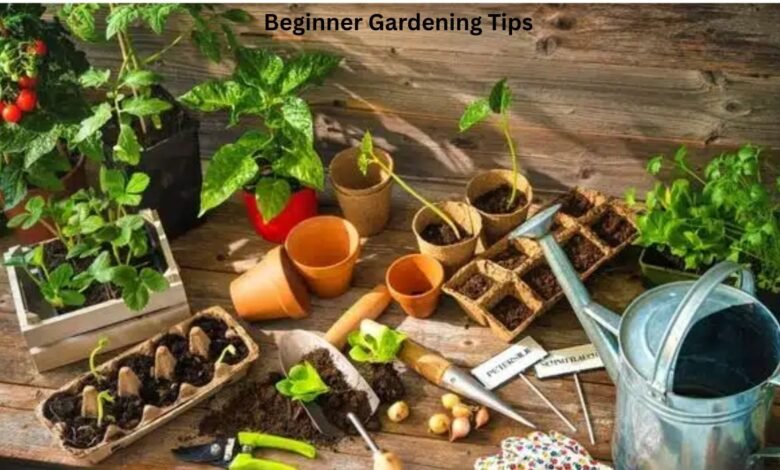
Gardening is a rewarding activity that allows people to grow fresh vegetables, beautiful flowers, and useful herbs at home. However, starting a garden without understanding basic plant requirements can sometimes lead to disappointing results. Soil quality, sunlight, watering, temperature, and seasonal changes all influence how successfully plants develop. Learning the right Beginner Gardening Tips can make the process easier, especially for people who have never grown anything before.
Every season brings different gardening opportunities and responsibilities. Spring is suitable for preparing garden beds, summer requires careful watering, autumn offers harvesting and soil preparation opportunities, and winter is a useful time for protecting plants and planning future projects. Whether you have a backyard, balcony, patio, or a few containers near a window, you can develop a healthy garden with simple techniques and consistent care.
Quick Information Table
| Category | Details |
|---|---|
| Main Topic | Beginner Gardening Tips |
| Experience Level | Beginners and New Gardeners |
| Suitable Seasons | Spring, Summer, Autumn, Winter |
| Gardening Locations | Backyard, Balcony, Patio |
| Easy Vegetables | Lettuce, Radishes, Beans |
| Easy Herbs | Basil, Mint, Parsley |
| Soil Type | Healthy, Well-Draining Soil |
| Sunlight | Depends on Plant Variety |
| Watering | Based on Soil Moisture |
| Essential Tools | Trowel, Gloves, Pruners |
| Soil Improvement | Mature Compost |
| Spring Tasks | Preparing Beds and Planting |
| Summer Tasks | Watering and Pest Control |
| Autumn Tasks | Harvesting and Cleaning |
| Winter Tasks | Plant Protection and Planning |
1. Understand Your Garden Before Planting
Before purchasing seeds or plants, spend some time understanding the space where you want to create your garden. Observe how much sunlight the area receives, whether water collects after rainfall, and how exposed it is to strong winds. These conditions influence plant growth and help you decide which varieties are suitable. One of the most valuable Beginner Gardening Tips is to study your growing environment before spending money on gardening supplies.
Consider the available space and the amount of time you can dedicate to maintenance. A small garden with healthy plants is often easier to manage than a large area filled with crops that require constant attention. Make a simple plan showing where vegetables, herbs, and flowers will grow. This preparation can prevent overcrowding and make everyday gardening activities more convenient.
2. Select the Right Plants for Your Experience
Choosing suitable plants can make the beginning of your gardening journey much easier. Some varieties require regular pruning, special feeding, or careful temperature management, while others can grow successfully with basic attention. Lettuce, radishes, green onions, basil, and marigolds are useful starting choices, provided their growing conditions match your local climate.
Another important consideration is how much space each plant needs. Tomatoes and cucumbers may require support structures, while herbs can often grow comfortably in smaller containers. Read seed packets and plant labels before making selections. Following these Beginner Gardening Tips helps new gardeners avoid purchasing plants that are unsuitable for their available space or experience level.
3. Prepare the Soil for Healthy Growth
Good soil provides plants with support, nutrients, moisture, and space for their roots to develop. Before planting, remove unwanted weeds, stones, and large pieces of debris from the growing area. Examine the soil texture to understand whether it is sandy, heavy, compacted, or rich in organic matter. Soil testing can also provide useful information about pH and nutrient levels.
Adding mature compost can improve soil structure and support beneficial organisms. However, different plants have different nutritional preferences, so avoid adding large amounts of fertilizer without understanding what the soil needs. Proper preparation is among the most practical Beginner Gardening Tips because healthy growing conditions can reduce several problems before they appear.
4. Plan Your Spring Gardening Activities
Spring is an important planting period in many parts of the world because increasing daylight and warmer temperatures encourage new growth. Begin by cleaning garden beds, checking existing plants, and preparing the soil for new seeds. Depending on your local weather, you may be able to grow lettuce, peas, carrots, spinach, and other cool-season vegetables during this period.
Do not plant every variety immediately when temperatures begin rising. Some plants are sensitive to unexpected cold weather and may suffer damage from late frost. Check local planting recommendations and allow the soil to reach suitable conditions before sowing seeds. Following seasonal Beginner Gardening Tips helps you organize planting activities and avoid unnecessary losses.
5. Protect Plants During Hot Summer Weather
Summer gardening often requires more attention because high temperatures increase water loss from soil and leaves. Vegetables such as tomatoes, peppers, cucumbers, and beans generally enjoy warm growing conditions, but prolonged heat can still affect their development. Check plants regularly for wilting, dry soil, and signs of heat stress.
Watering needs may increase during hot weather, particularly for plants growing in containers. Applying a suitable layer of organic mulch can reduce evaporation and help control weeds. If temperatures become extreme, temporary shade may protect sensitive varieties during the hottest hours. These Beginner Gardening Tips can help maintain healthier plants when summer conditions become challenging.
6. Make Watering a Consistent Routine
Water is essential for transporting nutrients and supporting important plant functions. However, watering too frequently can be just as harmful as allowing plants to become excessively dry. Different varieties need different amounts of moisture, so gardeners should consider soil type, temperature, rainfall, container size, and plant maturity before deciding when to water.
Check the soil with your finger before adding more water. If the upper layer is dry, investigate whether the root zone also needs moisture. Water near the base of plants so that it reaches the roots effectively. Early morning is often a convenient watering time because plants can absorb moisture before daytime temperatures increase. Consistent watering is one of the Beginner Gardening Tips that can make a noticeable difference to plant health.
7. Keep Weeds Under Control
Weeds compete with vegetables and flowers for sunlight, nutrients, water, and growing space. If they are allowed to spread, they can make garden maintenance more difficult and reduce the resources available to useful plants. Inspect garden beds regularly and remove unwanted growth while it is still young and manageable.
Hand-pulling is suitable for many small gardens, especially when the soil is slightly moist. Mulching can also prevent many weed seeds from receiving the light they need to grow. However, avoid placing mulch directly against plant stems because excessive moisture around them may encourage problems. Regular maintenance is one of the simplest Beginner Gardening Tips for keeping a growing area organized.
8. Grow Plants in Containers When Space Is Limited
You do not need a large backyard to enjoy gardening. Containers, pots, hanging baskets, and window boxes can provide useful growing spaces for people living in apartments or homes with limited outdoor areas. Herbs such as mint, basil, and parsley can grow successfully in suitable containers, while certain vegetables can also be grown in larger pots.
Choose containers according to the mature size of each plant and make sure they have drainage holes. Use a suitable potting mix rather than assuming ordinary garden soil will perform equally well in every container. Place each pot where its plants receive the required sunlight. These Beginner Gardening Tips make gardening more accessible to people with limited space.
9. Monitor Plants for Pests and Diseases
Regularly inspecting plants can help you recognize problems before they become difficult to manage. Look for damaged leaves, unusual spots, holes, discolored stems, or insects around young growth. Common garden pests include aphids, caterpillars, and spider mites, although the problems you encounter depend on your location and plant varieties.
Identify the cause before applying any treatment. Some insects are beneficial because they help control harmful pests or support pollination. Hand removal, protective netting, and suitable garden hygiene can help manage several problems. Learning to observe plant health is an important part of Beginner Gardening Tips because early attention can prevent minor issues from spreading.
10. Harvest Vegetables at the Right Time
Harvesting at the appropriate stage helps you enjoy vegetables with better texture and flavor. Different crops have different maturity signs. For example, radishes are generally harvested when their roots reach a suitable size, while lettuce leaves can often be collected gradually before the plant becomes overly mature. Tomatoes should be harvested according to the variety and desired ripeness.
Check seed packets for estimated maturity periods, but remember that actual growing times can change with temperature, sunlight, and soil conditions. Use clean scissors or suitable gardening tools when cutting produce to avoid damaging stems. These Beginner Gardening Tips can help beginners make better harvesting decisions and encourage continued production from suitable crops.
11. Improve Plant Growth With Proper Feeding
Plants need essential nutrients to develop roots, stems, leaves, flowers, and fruits. Compost can add organic matter and improve soil structure, while suitable fertilizers can supply nutrients that are missing from the growing environment. Before applying any fertilizer, consider the needs of your plants and the existing condition of the soil.
Excessive feeding can create problems instead of improving growth. Too much fertilizer may damage roots, encourage unnecessary leafy development, or contribute to nutrient runoff. Follow product instructions and avoid applying fertilizer without a clear reason. Responsible feeding is among the Beginner Gardening Tips that support healthy growth while helping maintain good soil conditions.
12. Prepare Your Garden for Autumn and Winter
Autumn is a useful time to collect remaining produce, remove unhealthy plants, and prepare growing areas for colder weather. Depending on your climate, you may be able to plant suitable cool-season vegetables such as spinach, carrots, and radishes. Remove diseased material carefully and add mature compost to empty garden beds when appropriate.
Winter conditions require different maintenance methods. In colder regions, frost-sensitive plants may need protective covers or sheltered locations. In milder climates, certain herbs and vegetables can continue growing outdoors. Reduce watering when plant growth slows, but never allow moisture-sensitive plants to become excessively dry. Seasonal Beginner Gardening Tips help you protect existing plants and prepare for the next growing period.
13. Keep Records and Learn From Every Season
Gardening becomes easier when you understand what worked and what did not work during previous growing periods. Keep a notebook or digital record containing planting dates, seed varieties, watering routines, fertilizer applications, weather observations, and harvesting results. These details help you identify patterns and make better decisions when planning future garden activities.
Review your records after each season and consider whether plants received enough sunlight, whether the soil remained healthy, and whether watering routines were appropriate. Do not become discouraged if some plants fail to grow as expected. Gardening is a practical learning experience, and small improvements can produce better results over time. Consistent observation and patience are valuable Beginner Gardening Tips for developing long-term gardening confidence.
Final Thoughts
Creating a successful garden does not require expensive equipment, a large outdoor area, or professional experience. The most important steps include understanding your local conditions, choosing appropriate plants, preparing healthy soil, and maintaining suitable watering and feeding routines. Each season provides opportunities to improve your skills and make your growing space more productive.
By applying these Beginner Gardening Tips, new gardeners can approach planting and maintenance with greater confidence. Start with a manageable space, observe your plants regularly, and adjust your routine according to their needs. With patience and consistent effort, gardening can become an enjoyable activity that provides fresh produce, attractive flowers, and a stronger connection with nature.
Frequently Asked Questions (FAQs)
1. When Should Beginners Start Gardening?
Spring is a convenient starting period in many climates because temperatures become suitable for growing numerous plants. However, the ideal time depends on local weather and the varieties you want to grow. Some vegetables perform better during cooler autumn or winter conditions, so check local planting recommendations before starting.
2. What Are the Easiest Plants to Grow?
Radishes, lettuce, green onions, basil, and marigolds are useful choices for many beginners. They can grow successfully when provided with appropriate soil, sunlight, and water. Choose varieties that match your local climate and available growing space rather than selecting plants only because they look attractive.
3. How Often Should Beginners Water Plants?
Watering frequency depends on the plant variety, soil, container size, temperature, and rainfall. Check the moisture around the root area before watering instead of following one fixed schedule. Provide enough water to reach the roots while allowing excess moisture to drain properly.
4. Can Gardening Be Done in Small Spaces?
Yes, gardening can be done in apartments, balconies, patios, and small outdoor areas. Containers, hanging baskets, and window boxes provide useful growing options. Herbs, leafy vegetables, and compact plant varieties are particularly suitable for limited spaces when their sunlight and container requirements are met.
5. What Tools Are Essential for New Gardeners?
A basic gardening collection can include gloves, a hand trowel, pruning shears, a watering can, and a small hand fork. Containers, suitable growing medium, and a simple notebook can also be useful. Beginners should purchase tools according to their garden size instead of spending money on unnecessary equipment.