

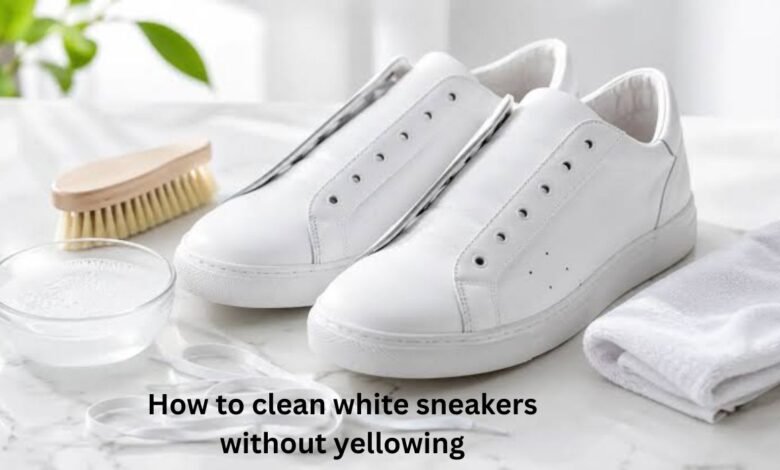
White sneakers are easy to style, but keeping them bright can be surprisingly difficult. Everyday dust, muddy paths, sweat, and accidental spills can make white shoes look dull within a short time. Sometimes, even after cleaning, sneakers develop yellow patches that make them appear older than they really are. Fortunately, you can learn how to clean white sneakers without yellowing by using simple household items instead of expensive cleaning products. The key is to choose gentle cleaning solutions, avoid excessive moisture, and dry your shoes correctly. With the right techniques, you can remove everyday dirt, protect delicate materials, and maintain the fresh appearance of your favorite sneakers Choosing the right cleaning method is an important step in learning how to clean white sneakers without yellowing or damaging their material.
Quick Information Table
| Cleaning Detail | Recommended Approach |
|---|---|
| Main objective | Clean without causing discoloration |
| Best starting cleaner | Mild dish soap |
| Alternative cleaner | Gentle laundry detergent |
| Useful brush | Soft-bristled toothbrush |
| Cleaning cloth | Clean microfiber cloth |
| Water temperature | Cool or lukewarm |
| Baking soda | Use cautiously on suitable materials |
| Canvas cleaning | Gentle brushing and wiping |
| Leather cleaning | Minimal moisture |
| Suede cleaning | Dry brush and suede-specific products |
| Rubber sole cleaning | Mild soap and soft brush |
| Soap removal | Wipe with a clean, damp cloth |
| Drying method | Natural air-drying |
| Best drying location | Shaded, ventilated area |
| Main precaution | Avoid harsh chemicals and excessive heat |
1. Check the Material Before Cleaning
The first step is identifying what your sneakers are made of. White canvas, leather, mesh, synthetic fabric, and suede do not respond to cleaning in the same way. Canvas and many synthetic materials can usually be cleaned with a mild soap solution, while leather requires careful wiping and minimal water. Mesh needs gentle handling because rough brushing can damage its fibers. Suede is particularly delicate and should generally be cleaned with a suitable suede brush rather than a wet household solution. Check the manufacturer’s instructions before starting, especially if your shoes are expensive or have decorative finishes. If you are uncertain about a product, test it on a small, hidden area first. Choosing the correct method reduces the risk of permanent marks and helps you achieve a more consistent result.
2. Remove Dust and Loose Dirt First
Before adding water, remove loose dirt from the sneakers with a dry, soft-bristled brush. Pay attention to the seams, stitching, toe area, and edges around the soles, where dust tends to collect. If dried mud is present, let it dry completely before brushing it away gently. Cleaning with water too early can spread loose dirt across the white material and make the stain harder to remove. Remove the shoelaces as well so that you can reach the areas underneath them. Work patiently rather than applying unnecessary pressure. This preparation takes only a few minutes, but it makes the rest of the cleaning process more effective. It also reduces the amount of water and cleaning solution needed, which is helpful for sneakers that should not become heavily saturated.
3. Make a Gentle Cleaning Solution
Mild dish soap is a useful household option for removing everyday grime from many sneaker materials. Add a few drops to a small bowl of cool or lukewarm water and mix gently. You want a lightly soapy solution rather than a thick layer of foam. Dip a clean microfiber cloth or soft toothbrush into the mixture, then squeeze out excess liquid before cleaning. The tool should be damp, not dripping wet. Avoid strong degreasers, chlorine bleach, and abrasive household cleaners because they may damage fabric, finishes, or adhesives. Using too much detergent can also leave residue that becomes visible after drying. A small amount of mild soap is often sufficient for ordinary dirt. Always check the shoe manufacturer’s recommendations when dealing with delicate materials or specialized coatings.
4. Clean Canvas Sneakers Gently
Canvas sneakers can absorb dirt into their woven fibers, so patience is more useful than aggressive scrubbing. Dip a soft toothbrush into the cleaning solution and work on a small section at a time using gentle circular motions. Focus on visible marks without repeatedly rubbing the same spot. After loosening the dirt, wipe the area with a separate clean, damp cloth. This removes grime instead of allowing it to settle back into the fabric. Avoid soaking the entire shoe in water because excessive moisture can affect adhesives, shape, and drying time. If a stain remains, repeat the gentle process rather than immediately switching to a harsh chemical. Once the canvas looks clean, wipe away any remaining soap. This controlled approach helps reduce discoloration while protecting the fabric’s texture and overall appearance.
5. Wipe Leather Sneakers With Care
White leather sneakers need a different approach because their surface finish can be scratched or damaged by abrasive treatments. Begin by wiping away loose dust with a dry microfiber cloth. Mix a small amount of mild soap into water, dampen another cloth, and wring it out thoroughly. Wipe the leather gently, concentrating on dirty areas and avoiding excessive rubbing. Follow with a clean cloth lightly dampened with plain water to remove soap residue. Use a dry towel to absorb any remaining moisture. Do not scrub leather with a stiff brush or apply baking soda paste to the surface. Allow the shoes to dry naturally in a shaded place. If the manufacturer recommends a particular leather cleaner or conditioner, follow those instructions instead of experimenting with household products.
6. Use Baking Soda Only When Appropriate
Baking soda is often suggested for cleaning white shoes, but it should not be treated as a universal solution. On suitable washable canvas, a small amount mixed with water may help loosen certain surface stains. Before using it, test the mixture on a hidden section to check for changes in color or texture. Apply it gently with a soft cloth, leave it on only briefly, and wipe it away thoroughly before it dries. Avoid vigorous scrubbing because the powder can act as an abrasive. Do not use this method on suede or delicate leather, where it may leave residue or damage the finish. Baking soda also cannot guarantee the removal of yellowing caused by aging, adhesives, or material changes. When in doubt, stick with a mild soap solution and the care instructions supplied with your sneakers.
7. Clean Rubber Soles Separately
The rubber soles often become dirty faster than the upper because they contact sidewalks, mud, and dusty surfaces directly. Cleaning them separately prevents dark residue from spreading onto the white fabric. Mix a small amount of mild soap with water and use a soft toothbrush to clean the rubber gently. Work around the edges and grooves where dirt accumulates, then wipe the surface with a clean, damp cloth. For stubborn marks, repeat the process instead of reaching immediately for a harsh cleaner. Keep the cleaning solution away from delicate upper materials whenever possible. Avoid aggressive scrubbing that could roughen the rubber or damage nearby finishes. Once the soles are clean, wipe away moisture and inspect the edges for remaining grime. This simple step can noticeably improve the overall appearance of white sneakers.
8. Wash the Shoelaces Separately
Clean sneakers can still look untidy when their laces are gray or stained. Remove the laces and shake off loose dust before washing them. Place them in a bowl of lukewarm water containing a small amount of gentle laundry detergent. Rub them lightly between your fingers to loosen dirt, especially around areas that pass through the eyelets. Rinse thoroughly with clean water until no visible soap remains. Press the laces between a towel to remove excess moisture instead of twisting them tightly. Leave them to dry in a shaded, well-ventilated place. Do not put them back into the shoes while they are damp, because trapped moisture may contribute to unpleasant odors. If the laces have decorative details or delicate fibers, check their care instructions before washing.
9. Remove Every Trace of Soap
An important part of learning how to clean white sneakers without yellowing is removing every trace of soap after washing. Leftover detergent can attract dirt or create visible marks as the shoes dry. Use a clean microfiber cloth dampened with fresh water to wipe every treated area carefully. Rinse the cloth frequently to prevent spreading residue back onto the sneakers. Avoid pouring water directly over the shoes, especially if they contain leather panels, foam padding, or glued components. Pay attention to seams and textured areas where cleaning products can collect. Continue wiping gently until no soapy residue remains. Proper rinsing helps your sneakers dry more evenly and reduces the risk of unwanted marks.
10. Dry Sneakers Without Causing Yellowing
Proper drying is just as important as cleaning. Direct sunlight and intense heat from radiators or hair dryers can damage certain materials, weaken adhesives, or contribute to discoloration. After cleaning, blot the sneakers with a dry towel to absorb excess moisture. If the insides are damp, loosely fill them with plain white paper towels to help absorb moisture and maintain their shape. Replace the paper when it becomes wet. Place the shoes in a shaded area with good airflow and allow them to dry naturally. Avoid colored paper that could transfer ink onto the lining. Drying time depends on the material, humidity, and amount of moisture absorbed. Make sure the shoes are completely dry before wearing or storing them. Rushing this stage can create problems that careful cleaning alone cannot prevent.
11. Avoid Common Cleaning Mistakes
Several common mistakes can damage white sneakers or make discoloration more noticeable. Chlorine bleach is not a dependable choice for every white shoe because it may weaken fibers, affect adhesives, or cause uneven color changes. Excessive detergent can leave residue, while soaking may affect the shape and construction of certain shoes. Using a dirty cloth can transfer grime from the soles to the upper, undoing your work. Stiff brushes may scratch leather or damage delicate mesh, and untested cleaning mixtures can produce unpredictable results. Never mix household cleaning chemicals, as dangerous reactions can occur. Instead, choose one suitable cleaning product, follow the manufacturer’s instructions, and test unfamiliar treatments in a hidden area. Gentle cleaning and thorough rinsing are generally safer than attempting to remove every mark with aggressive chemicals.
12. Keep White Sneakers Cleaner for Longer
Regular maintenance helps prevent dirt from becoming deeply embedded in the material. After wearing your sneakers, remove loose dust with a soft brush or wipe away fresh marks with a suitable cloth. Clean small stains early rather than waiting until they cover a larger area. Store your shoes in a clean, dry place with adequate ventilation, away from damp corners and prolonged direct sunlight. If you use a protective spray, choose one specifically designed for the sneaker material and test it before applying it to the entire surface. A product suitable for suede may not be appropriate for leather or canvas. Allow sneakers to dry completely after exposure to rain or moisture. These simple habits reduce the need for frequent deep cleaning and help preserve the original appearance of your footwear These simple maintenance habits make it easier to clean white sneakers without yellowing while preserving their fresh appearance for longer.
13. Final Thoughts
Learning how to clean white sneakers without yellowing becomes easier when you follow a consistent and gentle routine. Mild dish soap, a soft toothbrush, microfiber cloths, and proper air-drying can help remove everyday dirt without exposing your sneakers to unnecessary chemicals. Always choose a cleaning method that suits the shoe material, whether it is canvas, leather, mesh, or suede. Remove loose dirt before washing, use minimal moisture, and wipe away soap thoroughly. Avoid direct heat and harsh cleaning products that may damage the surface. Remember that yellow marks caused by aging, adhesives, or material changes may not disappear with household remedies. Regular maintenance and careful cleaning can help your white sneakers stay cleaner and look presentable for longer.
Frequently Asked Questions
1. Why do white sneakers turn yellow?
White sneakers can develop yellow marks because of detergent residue, excessive heat, sunlight exposure, aging adhesives, or chemical changes in the materials. Incomplete rinsing may also leave visible deposits. To reduce the risk, clean with a suitable mild solution, wipe away residue thoroughly, and let the shoes air-dry in a shaded location.
2. Can baking soda clean white sneakers?
Baking soda may help with certain surface stains on suitable washable canvas sneakers, but results vary. Use it sparingly, test a hidden area first, and remove all residue before drying. Avoid using it on suede and delicate leather because the powder may damage the finish or leave difficult-to-remove marks.
3. Is dish soap safe for white shoes?
Mild dish soap diluted in water is often suitable for removing everyday dirt from canvas, rubber, and many synthetic materials. Use only a small amount and avoid soaking the shoes. For leather, suede, and specialized finishes, follow the manufacturer’s care instructions before using a household cleaning solution.
4. Can sunlight dry white sneakers safely?
Shade is generally a safer option than direct sunlight for drying white sneakers. Prolonged sun exposure may damage certain materials or contribute to discoloration. Blot away excess water with a towel, use plain white paper towels inside if necessary, and allow the shoes to dry naturally in a ventilated area.
5. How often should I clean white sneakers?
Clean white sneakers whenever dirt or visible stains begin to accumulate. Lightly brushing or wiping them after use can prevent grime from becoming embedded and reduce the need for deep cleaning. The ideal frequency depends on how often you wear them, the weather, and the surfaces you walk on.