

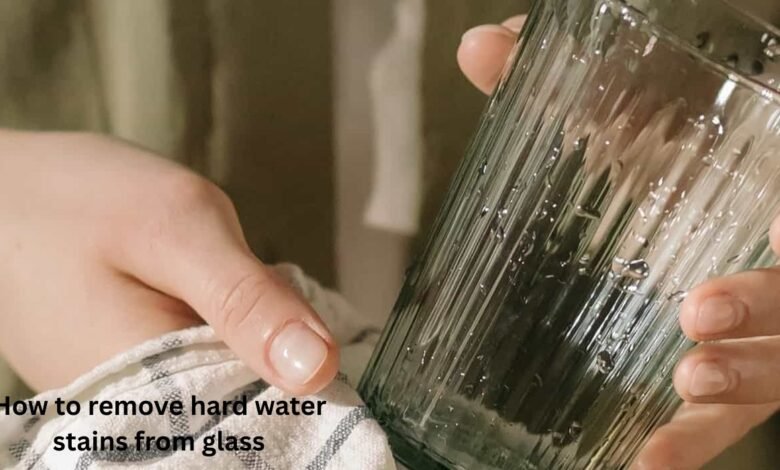
Learning how to remove hard water stains from glass can help you restore the appearance of cloudy shower doors, spotted windows, and dull glass surfaces. These stains usually develop when water evaporates and leaves mineral deposits, including calcium and magnesium, behind. Ordinary glass cleaners may remove dust and fingerprints but often struggle with stubborn mineral buildup. Understanding how to remove hard water stains from glass involves choosing the right cleaning solution, using nonabrasive tools, and following safe cleaning practices. In this guide, you will discover practical household methods, suitable commercial products, common mistakes to avoid, and simple prevention techniques that help keep glass surfaces cleaner for longer.
2. Quick Information Table
| Detail | Information |
|---|---|
| Main Problem | Hard water stains on glass |
| Main Cause | Mineral deposits left by evaporating water |
| Common Minerals | Calcium and magnesium |
| Common Appearance | White spots, cloudy patches, and chalky residue |
| Frequently Affected Surfaces | Shower doors, windows, and glass tables |
| Household Cleaning Option | Diluted white vinegar, where suitable |
| Alternative Cleaning Option | Glass-compatible citric acid cleaner |
| Essential Cleaning Tool | Soft microfiber cloth |
| Additional Cleaning Tool | Nonabrasive sponge |
| First Cleaning Step | Remove loose dirt and surface residue |
| Recommended Technique | Apply a suitable cleaner, wipe gently, rinse, and dry |
| Stubborn Stain Treatment | Compatible commercial hard water stain remover |
| Important Safety Measure | Never mix cleaning chemicals |
| Surface Protection | Avoid abrasive pads and unapproved scraping tools |
| Prevention Method | Remove water droplets and clean glass regularly |
3. What Causes Hard Water Stains on Glass?
Hard water contains dissolved minerals that remain on surfaces after water evaporates. When droplets repeatedly dry on glass, these minerals gradually accumulate and form visible spots or a cloudy film. Shower doors often develop these marks because they are exposed to water every day. Windows can experience similar problems when rainwater or sprinkler spray dries on the surface. Fresh deposits are generally easier to remove than older buildup, which may require repeated cleaning. However, not every cloudy mark is caused by mineral residue. Some glass surfaces develop permanent etching or coating damage that ordinary cleaning cannot reverse. Understanding the difference helps you choose an appropriate treatment instead of wasting time on products that cannot solve the underlying problem.
4. Prepare the Glass Before Cleaning
Proper preparation makes cleaning more effective and reduces the risk of scratching the surface. Begin by removing loose dust, dirt, and soap residue with clean water and a soft cloth. These particles can leave scratches if they are rubbed against the glass during cleaning. Gather your cleaning solution, microfiber cloths, and a nonabrasive sponge before starting. Check the manufacturer’s instructions if the glass has a protective coating or specialty finish. It is also important to protect nearby materials, particularly natural stone, painted surfaces, and sensitive metal fixtures. Test the chosen product on a small, inconspicuous area first. Wear suitable gloves when necessary, and ensure the room has adequate ventilation when using cleaning products. Taking these precautions helps you clean more confidently and safely.
5. Remove Light Stains with White Vinegar
White vinegar is a common household option for light mineral deposits because its acidity helps dissolve certain residues. If you are learning how to remove hard water stains from glass, begin by checking whether the surface is compatible with acidic cleaners. For ordinary glass that permits vinegar cleaning, mix equal parts white vinegar and water in a spray bottle. Apply the solution, leave it for a few minutes without allowing it to dry, and wipe gently with a microfiber cloth. Rinse thoroughly and dry the surface. Knowing how to remove hard water stains from glass safely also means protecting nearby natural stone, sensitive metal finishes, and coated surfaces from vinegar exposure. Always test a small, hidden area first and follow the manufacturer’s instructions.
6. Consider a Citric Acid-Based Cleaner
A citric acid-based cleaner may help remove mineral deposits that remain after gentle cleaning. Choose a product specifically labeled as suitable for your type of glass, and follow the manufacturer’s instructions for application, contact time, and rinsing. Apply only the recommended amount and wipe the surface with a soft, nonabrasive cloth. Rinse thoroughly when instructed and dry the glass to reduce water spots. Do not assume that a stronger concentration will produce better results, as it may damage protective coatings or nearby materials. Avoid using acidic cleaners on surfaces that the manufacturer identifies as incompatible. Never combine citric acid products with bleach or other cleaning chemicals. If you are unsure whether the product is suitable for your glass, test a small hidden area or seek advice from the manufacturer before cleaning the entire surface.
7. Clean Hard Water Stains from Shower Doors
Shower doors frequently develop a combination of mineral deposits, soap scum, and residue from shampoos or body washes. These different substances may require separate cleaning steps. First, rinse the doors with water and remove ordinary soap residue using a suitable bathroom cleaner. Next, treat the remaining mineral marks with a compatible glass-safe descaler or another approved cleaning solution. Use a soft sponge to loosen the deposits without applying excessive pressure. Pay attention to corners, door edges, and areas around handles, where water often collects. Rinse the surface thoroughly and dry it with a clean microfiber cloth. Avoid abrasive pads and aggressive scraping, especially if the doors have a water-repellent coating. Regular cleaning prevents residue from building up into a thick, difficult-to-remove layer.
8. Restore the Appearance of Glass Windows
Windows can develop hard water marks when sprinklers spray them or rainwater dries on the surface. Before cleaning, identify the source of the water so you can reduce future exposure. For light deposits, try a suitable glass cleaner or a diluted vinegar solution if the window manufacturer permits it. Work on one manageable section at a time, using a soft cloth to loosen the residue. Rinse when necessary and dry the glass to reduce streaking. Avoid cleaning hot glass in direct sunlight because cleaning solutions may evaporate too quickly and leave additional marks. For exterior windows on upper floors, prioritize safe access and avoid leaning out of openings or using unstable ladders. Professional window cleaners are a sensible option when the affected area is difficult or dangerous to reach.
9. Choose the Right Commercial Cleaning Product
When household cleaning methods do not remove stubborn mineral deposits, a commercial hard water stain remover may be helpful. Select a product whose label specifically confirms compatibility with your type of glass. Before applying it, read the directions carefully and follow the recommended dilution, contact time, ventilation, protective equipment, and rinsing instructions. Test the product on a small, inconspicuous area before treating the entire surface. Use a soft cloth or nonabrasive sponge rather than scrubbing aggressively. Take care to prevent the cleaner from contacting natural stone, sensitive metals, or other materials that could be damaged. Never mix commercial descalers with vinegar, bleach, ammonia, or other cleaning products, because dangerous reactions or fumes may result. If the stains persist after careful treatment, consult a glass-care professional rather than repeatedly applying stronger chemicals.
10. Avoid Mistakes When Removing Hard Water Stains from Glass
Learning how to remove hard water stains from glass safely requires using suitable cleaning products and avoiding methods that could damage the surface. Steel wool, abrasive powders, and rough scouring pads may scratch glass or damage protective coatings. Applying excessive pressure can also harm treated shower doors and specialty glass. Another common mistake is leaving cleaning solutions on the surface longer than the manufacturer’s instructions recommend. Acidic cleaners may damage nearby natural stone, grout, or sensitive metal fixtures, even when the glass itself is compatible with the product. When deciding how to remove hard water stains from glass, avoid using razor blades unless the manufacturer explicitly permits them and you know the correct technique. Never mix cleaning products to make them stronger, as this can create hazardous reactions or fumes. The safest approach to how to remove hard water stains from glass is to use a compatible cleaner, wipe gently, rinse thoroughly, and dry the surface with a soft microfiber cloth.
11. Prevent Hard Water Stains from Returning
Preventing mineral buildup is often easier than removing established stains. After every shower, use a clean squeegee to remove water from the doors and glass walls. Wipe remaining droplets from corners, edges, and handles with a microfiber cloth. Check leaking taps and showerheads, and redirect garden sprinklers away from windows. Regularly clean affected surfaces before visible deposits become thick. In bathrooms, adequate ventilation can help surfaces dry more quickly, although it does not remove minerals already present in the water. Some compatible glass surfaces can also benefit from a manufacturer-approved water-repellent treatment. If hard water is a persistent household problem, consider whether a suitable water-softening system would be worthwhile. These habits can reduce recurring spots and make routine cleaning easier.
12. Know When Hard Water Stains May Be Permanent
Understanding how to remove hard water stains from glass also means recognizing when a mark cannot be removed through ordinary cleaning. Sometimes, glass remains cloudy even after mineral deposits have been cleaned away. This may indicate etching, scratches, corrosion, or damage to a protective coating. Before trying stronger products, determine whether the remaining marks are mineral residue or permanent surface damage. If you are learning how to remove hard water stains from glass, avoid repeatedly applying acidic cleaners or abrasive materials when gentle cleaning has not worked. These methods may worsen the condition of delicate surfaces. A qualified glass-care professional can assess stubborn marks and recommend an appropriate treatment. Knowing how to remove hard water stains from glass safely includes understanding when to stop cleaning and seek professional advice.
13. Final Thoughts
Knowing how to remove hard water stains from glass makes it easier to maintain clear shower doors, windows, and other household glass surfaces. Diluted white vinegar may help with light deposits, while a compatible commercial descaler can be useful for more stubborn buildup. Use gentle cleaning tools, follow product instructions, and avoid mixing cleaning chemicals. Prevention is equally important: remove water droplets after showering, dry glass surfaces regularly, and clean mineral residue before it becomes difficult to remove. By understanding how to remove hard water stains from glass and selecting methods suitable for the surface, you can reduce recurring marks and maintain a cleaner appearance without unnecessary scrubbing.
Frequently Asked Questions
1. What removes hard water stains from glass?
Diluted white vinegar can help loosen light mineral deposits on compatible glass. Apply it for a short period, wipe gently, and rinse when appropriate. For stubborn marks, use a commercial descaler specifically approved for the surface.
2. Can vinegar damage glass?
Vinegar is suitable for many ordinary glass surfaces when used appropriately, but it is not safe for every finish or surrounding material. It can damage some coatings, natural stone, and certain metals. Always check the manufacturer’s recommendations first.
3. How do I clean stubborn shower door stains?
Remove soap residue first, then apply a glass-compatible mineral deposit remover according to its instructions. Wipe with a nonabrasive sponge, rinse thoroughly, and dry the door. Avoid abrasive pads and aggressive scraping.
4. Why do hard water stains keep returning?
Mineral-containing water leaves residue when droplets evaporate. Repeated splashing, leaking fixtures, and incomplete drying can cause fresh spots to develop. Using a squeegee after showering and wiping the glass dry can help reduce buildup.
5. Can permanently cloudy glass be restored?
Some cloudy marks are removable mineral deposits, but etching, scratches, and coating damage may be permanent. If gentle cleaning does not improve the surface, consult a glass-care professional before trying stronger chemicals.
