

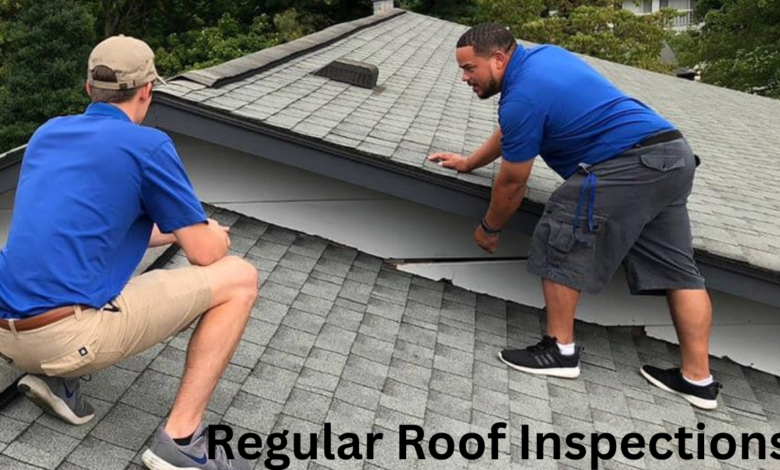
A roof is one of the most important protective components of any property. It helps keep the interior safe from rain, strong winds, sunlight, changing temperatures, and other outdoor conditions. However, because a roof is constantly exposed to the elements, its condition can gradually change even when there are no obvious problems from the ground. Loose shingles, damaged flashing, blocked gutters, small cracks, and early signs of moisture can develop into more serious issues when they are overlooked. Regular Roof Inspections provide a practical way to monitor these conditions and identify potential problems before they become costly repairs. By understanding the roof’s current condition and addressing maintenance needs at the right time, property owners can protect their investment and support the long-term performance of the entire roofing system.
Quick Information Table
| Data Point | Information |
|---|---|
| Main Topic | Regular Roof Inspections |
| Primary Purpose | Identify roofing problems early |
| Main Benefit | Supports preventive maintenance |
| Inspection Method | Professional visual assessment |
| Common Materials Checked | Shingles, tiles, membranes, and other coverings |
| Structural Areas | Roof deck and accessible supporting components |
| Drainage Areas | Gutters, downspouts, and drainage paths |
| Flashing Areas | Roof joints, vents, chimneys, and openings |
| Leak Assessment | Looks for visible signs and potential entry points |
| Weather Check | Useful after severe storms |
| Maintenance Benefit | Helps identify repair needs |
| Replacement Planning | Provides information about roof condition |
| Safety Consideration | Roof access can involve fall hazards |
| Inspection Frequency | Depends on age, material, condition, and environment |
1. Understanding Regular Roof Inspections
Regular Roof Inspections involve examining the accessible parts of a roofing system to determine whether they are functioning properly and whether any areas show signs of deterioration. An inspection may include roofing materials, flashing, vents, gutters, roof edges, drainage systems, and other visible components. The purpose is not simply to look for an active leak. A thorough assessment can also reveal early wear, damaged materials, drainage problems, deteriorated seals, and other conditions that could eventually affect the roof. Keeping records of inspections can also help property owners understand how the roof changes over time and make maintenance decisions based on its actual condition.
2. Detecting Problems Before They Become Serious
One of the most useful advantages of inspecting a roof regularly is the opportunity to discover small problems at an early stage. Roofing damage does not always begin with a dramatic failure. A single damaged shingle or a small opening around flashing may initially seem insignificant. However, repeated exposure to rain, wind, and temperature changes can make such weaknesses worse. Moisture may eventually reach insulation, ceilings, walls, or wooden components beneath the roof. Identifying concerns early gives property owners a chance to arrange appropriate repairs before the affected area becomes more extensive.
3. Reducing the Risk of Water Damage
Water intrusion is a major concern for almost every type of roofing system. Rainwater can enter through damaged materials, deteriorated seals, poorly maintained flashing, or areas where water does not drain correctly. Once moisture enters a building, it may travel away from the original entry point, making the source difficult to identify. An inspection can help identify visible weaknesses and conditions that may contribute to water intrusion. Addressing these issues in a timely manner can reduce the risk of damaged ceilings, insulation, walls, and other interior components.
4. Monitoring the Condition of Roofing Materials
Different roofing materials respond differently to age and environmental exposure. Asphalt shingles may lose their protective surface or become cracked, while tiles can break or shift. Flat roofing membranes can also develop damaged seams, punctures, or areas of deterioration. Sunlight, moisture, wind, temperature fluctuations, and debris can gradually affect roofing materials. An inspection allows these materials to be evaluated rather than relying only on how the roof looks from a distance. This information can help determine whether routine maintenance, localized repair, closer monitoring, or eventual replacement should be considered.
5. Examining Flashing and Vulnerable Areas
Flashing is commonly installed around chimneys, vents, skylights, roof intersections, and other areas where different surfaces meet. These locations are particularly important because gaps or deteriorated seals can create potential pathways for water. During a professional inspection, flashing should be checked for visible damage, deterioration, separation, or other issues. A problem around one of these areas may not immediately produce an obvious interior leak. Nevertheless, leaving it unaddressed can increase the possibility of moisture intrusion over time. Regular attention to these vulnerable points is therefore an important part of responsible roof maintenance.
6. Keeping Drainage Systems Working Properly
Effective drainage is essential because water needs a clear path away from the roof and building. Gutters and downspouts can become filled with leaves, dirt, branches, and other debris. When water cannot flow freely, it may overflow or remain around parts of the roofing system for longer than intended. During an inspection, drainage components can be checked for visible blockages, damage, poor water flow, and other maintenance concerns. Keeping gutters and downspouts in good condition can support proper water management and help protect roof edges and nearby parts of the property.
7. Checking for Storm-Related Damage
Severe weather can affect a roof in several ways. Strong winds may loosen or displace roofing materials, while hail can damage certain surfaces. Falling branches and heavy debris can also create cracks, punctures, or other physical damage. Some storm damage may be easy to see, but other issues can be less obvious from ground level. Having the roof inspected after significant weather can help determine whether repairs are needed. Prompt assessment is especially useful because a small weakness caused by a storm may become more problematic when the roof is exposed to additional rain or wind.
8. Supporting Overall Building Performance
The condition of a roof can influence more than protection from rain. Roofing, insulation, ventilation, and other parts of the building envelope work together to support indoor comfort and overall building performance. Moisture problems or deteriorated components may affect insulation and contribute to unwanted temperature changes inside the property. An inspection can identify roofing conditions that deserve further attention. While a roof inspection does not by itself guarantee lower energy costs, maintaining the roof and related components can contribute to a better-maintained building envelope.
9. Helping Extend the Roof’s Useful Service Life
Every roof eventually reaches the point where major replacement is necessary, but proper maintenance can help avoid premature deterioration. Regular inspections make it easier to monitor aging materials and address manageable issues while the roofing system is still serviceable. For example, repairing a localized problem may be more practical than allowing it to contribute to widespread deterioration. Inspections cannot stop natural aging, but they provide useful information that helps property owners take action at appropriate times. This can support a more organized approach to maintaining the roof throughout its useful life.
10. Making Repair Decisions More Manageable
Roofing repairs can become stressful when problems appear unexpectedly. Property owners may have difficulty deciding which issues require immediate attention and which can be monitored. A professional assessment can provide a clearer picture of the roof’s condition. It may identify areas requiring prompt repair, routine maintenance needs, and components that should be monitored in the future. This information can help owners prioritize their budgets and avoid making decisions based solely on assumptions. It can also make it easier to plan for larger work when the roof eventually approaches the end of its service life.
11. Why Professional Assessment Can Be Valuable
A basic visual check from the ground can be useful, but it cannot replace a professional assessment in many situations. Roofing professionals have experience with different roofing materials and can recognize signs of wear that may be difficult for an untrained person to identify. They can also assess accessible areas that may not be clearly visible from the ground. Safety is another important consideration. Walking on a roof can be dangerous, particularly when the surface is steep, wet, fragile, or damaged. Property owners should avoid unnecessary roof access and use qualified professionals when a closer inspection is required.
12. When Should a Roof Be Inspected?
The ideal inspection schedule varies according to the roof’s age, material, condition, local weather exposure, and maintenance history. A newer roof may not require the same level of monitoring as an older system, while a roof exposed to frequent severe weather may deserve additional attention. Inspections are also useful when warning signs appear, such as ceiling stains, visible damage, missing roofing materials, damaged gutters, or unexplained moisture. After a major storm, an additional assessment can be worthwhile even when the roof appears normal from the ground. A qualified roofing professional can recommend an appropriate inspection schedule based on the property’s specific circumstances.
13. Final Thoughts
A healthy roof plays a critical role in protecting a property and everything inside it. Although many roofing problems develop gradually, they can become expensive and disruptive when they are ignored for too long. Regular Roof Inspections give property owners a practical opportunity to understand the condition of their roofing system, identify developing concerns, and plan maintenance before minor issues become larger problems. Inspections should be combined with appropriate repairs, gutter maintenance, responsible roof care, and professional advice when needed. No inspection can guarantee that a roof will never experience damage, but consistent monitoring can make roof maintenance more proactive and predictable. For property owners who want to protect their investment and maintain dependable overhead protection, routine roof assessment is an important part of long-term property care.
Frequently Asked Questions
1. Why are regular roof inspections important?
Regular roof inspections help property owners identify signs of damage, deterioration, drainage problems, and other roofing concerns before they potentially become more serious. Early identification can make maintenance easier to plan and may reduce the likelihood of extensive damage caused by problems that remain unnoticed.
2. How often should a roof be inspected?
There is no universal schedule for every roof. The appropriate frequency depends on factors such as roofing material, age, weather exposure, previous repairs, and overall condition. Periodic professional inspections are useful, while additional assessments may be appropriate after severe weather or when visible warning signs appear.
3. Can an inspection find a roof leak?
An inspection can identify visible evidence of water intrusion and conditions that may contribute to leaks. However, not every leak is immediately obvious, and water can travel through roofing and building materials before appearing inside. A professional may therefore need to investigate multiple areas when determining the likely source of moisture.
4. What areas are checked during a roof inspection?
A typical inspection may examine roofing materials, flashing, roof edges, vents, gutters, downspouts, drainage areas, and other accessible components. The exact inspection depends on the design and material of the roof. Areas with previous repairs or visible signs of damage may receive additional attention.
5. Are regular roof inspections worth it?
For many property owners, inspections are a useful preventive maintenance step because they provide information about the roof’s condition. Discovering a manageable issue early may help avoid more extensive damage later. The value of an inspection is particularly important for older roofs, properties exposed to severe weather, or buildings showing signs of moisture or deterioration.