

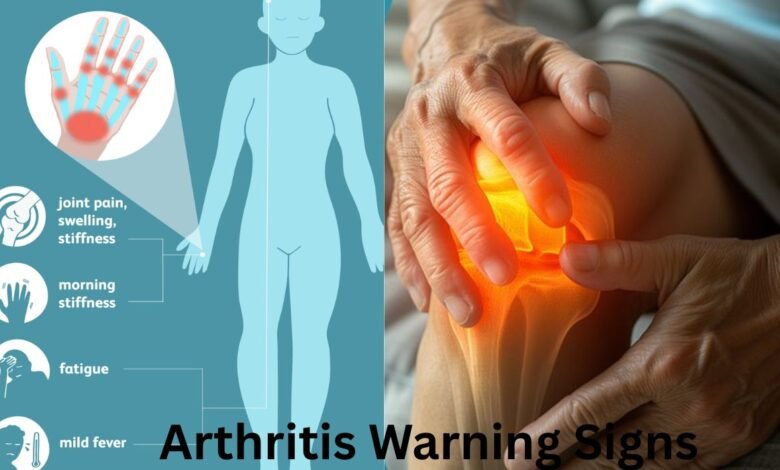
Arthritis Warning Signs ko samajhna joint health ko better understand karne ka ek important step hai. Joint pain ya stiffness kabhi kabhi normal physical activity, minor injury, ya temporary strain ki wajah se bhi ho sakti hai. Lekin jab pain repeatedly hone lage, swelling develop ho, movement difficult ho, ya stiffness daily activities ko affect karne lage, to in symptoms ko ignore nahi karna chahiye. Arthritis ek single condition nahi hai; is naam ke andar many different joint conditions shamil hain. Har type ke symptoms aur progression different ho sakte hain, isliye early signs ko recognize karna useful hota hai. Early attention se underlying problem identify karne aur appropriate care lene mein madad mil sakti hai.
Quick Information Table
| Data Point | Information |
|---|---|
| Medical condition | Arthritis |
| Main affected area | Joints and surrounding tissues |
| Common symptom | Joint pain |
| Another common symptom | Joint stiffness |
| Possible visible sign | Swelling |
| Movement-related issue | Reduced range of motion |
| Commonly affected areas | Knees, hips, hands, feet, wrists |
| Major type | Osteoarthritis |
| Inflammatory type | Rheumatoid arthritis |
| Other forms | Gout and psoriatic arthritis |
| Important risk factor | Increasing age |
| Genetic influence | Family history |
| Physical risk factor | Previous joint injury |
| Lifestyle-related factor | Excess body weight |
| Diagnosis | Medical evaluation and appropriate tests |
1. Recognizing the Early Attrities Warning Signs
The earliest Arthritis Warning Signs can sometimes appear gradually, making them difficult to notice at first. A person may experience mild discomfort in a knee after walking, stiffness in the fingers after waking up, or soreness after remaining in one position for a long period. Occasional discomfort does not automatically mean arthritis, but repeated symptoms deserve attention. One useful approach is to notice how frequently symptoms occur and whether they are becoming more noticeable over time. If joint discomfort repeatedly returns without an obvious explanation, discussing it with a healthcare professional can help determine whether arthritis or another condition may be responsible.
2. Persistent Joint Pain
Joint pain is one of the most recognizable signs associated with arthritis. Depending on the underlying condition, pain may occur during movement, after physical activity, following periods of inactivity, or sometimes even while resting. The location of the pain can also provide useful information. Knees, hips, hands, wrists, feet, and other joints can be affected. However, pain alone cannot establish an arthritis diagnosis because injuries, infections, muscle problems, and other conditions can produce similar symptoms. Keeping track of when the pain starts, what makes it better or worse, and whether it affects one or several joints can provide useful information during a medical consultation.
3. Stiffness After Rest or in the Morning
Joint stiffness is another important part of the Arthritis Warning Signs that people should understand. A stiff joint may feel difficult to bend or move normally, particularly after sleeping, sitting, or remaining inactive for an extended period. Recognizing this symptom can help people understand the Arthritis Warning Signs associated with changes in joint function. Different types of arthritis can produce different stiffness patterns. Some people notice stiffness that improves relatively quickly after moving around, while inflammatory arthritis may cause more prolonged morning stiffness. Persistent stiffness should therefore be considered alongside other Arthritis Warning Signs rather than viewed in isolation. If stiffness repeatedly interferes with walking, gripping objects, climbing stairs, or other normal activities, professional assessment may be appropriate.
4. Swelling Around the Joints
Swelling can develop when a joint or surrounding tissues become irritated or inflamed. A swollen joint may look larger than usual and can sometimes feel tender or warm. Swelling can occur with several types of arthritis, but it is not specific to arthritis. Injuries, gout, infections, and other medical problems can also cause swelling. Sudden swelling accompanied by intense pain, redness, warmth, or fever requires prompt medical attention because some causes may need urgent treatment. Rather than assuming that swelling is simply an arthritis symptom, it is safer to have unexplained or persistent swelling properly evaluated.
5. Difficulty Moving a Joint Normally
Changes in mobility can be another significant part of the Arthritis Warning Signs that should not be overlooked. A person may notice that bending a knee, opening a container, making a fist, walking, or climbing stairs has become more difficult than before. Reduced movement can develop when pain, stiffness, swelling, or changes within a joint interfere with normal function, making it one of the Arthritis Warning Signs associated with declining joint mobility. The change may be gradual, so people sometimes adapt their movements without realizing that their joint function has changed. Recognizing reduced mobility as one of the Arthritis Warning Signs can encourage a person to pay closer attention to persistent joint problems. When reduced mobility begins affecting work, exercise, household responsibilities, or personal care, it is worth discussing the problem with a healthcare professional.
6. Understanding Different Types of Arthritis
The Arthritis Warning Signs can vary because arthritis includes many different conditions. Osteoarthritis commonly involves changes within the joint that can lead to pain, stiffness, and reduced movement. Rheumatoid arthritis is an inflammatory autoimmune condition that can affect multiple joints. Gout can produce sudden episodes of severe pain and swelling, often involving a single joint. Psoriatic arthritis can occur in people with psoriasis, while other forms can affect the spine or connective tissues. Because these conditions have different causes and treatment approaches, identifying the exact pattern of symptoms is more useful than assuming that every type of joint pain has the same explanation.
7. Fatigue and Other General Symptoms
Some inflammatory forms of arthritis can cause symptoms that affect more than the joints, making them relevant to the broader Arthritis Warning Signs people should understand. For example, rheumatoid arthritis may be associated with persistent tiredness, weakness, a mild fever, or a general feeling of being unwell in addition to joint pain, stiffness, and swelling. These symptoms do not necessarily mean that a person has rheumatoid arthritis, because many other conditions can cause similar problems. However, when unexplained fatigue or fever occurs together with ongoing joint symptoms, these can be considered alongside other Arthritis Warning Signs when discussing symptoms with a healthcare professional. Recognizing the complete pattern of Arthritis Warning Signs can help a healthcare professional determine whether further examination or testing is appropriate.
8. Age and Family History
Age can influence the likelihood of developing certain forms of arthritis, particularly osteoarthritis. However, arthritis is not exclusively a condition of older adults. Some inflammatory and autoimmune forms can develop earlier in life. Family history can also be relevant because genetic factors may influence the likelihood of developing certain types. Having a relative with arthritis does not mean that a person will definitely develop the condition. Nevertheless, knowing about family history can help provide useful background when persistent joint symptoms are being investigated.
9. Previous Joint Injuries
A previous injury can also influence long-term joint health. Damage caused by certain injuries may increase the likelihood of developing osteoarthritis in the affected joint later. This is one reason why persistent symptoms following an old sports injury, accident, or other joint trauma should not automatically be dismissed as normal. Repeated stress on a joint may also contribute to problems over time, particularly when certain movements are performed frequently. Protecting joints from unnecessary injury and following appropriate rehabilitation after an injury can be valuable parts of maintaining long-term joint function.
10. Weight and Lifestyle-Related Risk Factors
Body weight can be relevant to arthritis risk, particularly for weight-bearing joints such as the knees and hips. Carrying excess weight can place additional mechanical stress on these joints. Physical inactivity can also contribute to reduced muscle strength and mobility, which may make joint-related problems harder to manage. On the other hand, appropriate regular physical activity can support muscle strength, flexibility, and overall joint function. Lifestyle changes should be realistic and suited to an individual’s circumstances. People with significant joint pain should choose activities carefully and seek professional guidance when necessary.
11. Smoking and Other Possible Risk Factors
Smoking is another factor associated with an increased risk of certain forms of arthritis, particularly rheumatoid arthritis. Other factors may include genetics, previous injuries, infections, occupational demands, and specific health conditions. Importantly, risk factors do not guarantee that someone will develop arthritis. They simply help explain why some people may have a higher likelihood than others. Understanding personal risk factors can encourage people to take persistent symptoms seriously and seek appropriate medical advice instead of relying solely on self-diagnosis.
12. When to Seek Medical Advice
Knowing when to seek professional help is one of the most practical aspects of understanding Arthritis Warning Signs. Medical advice is appropriate when joint pain, swelling, or stiffness persists, repeatedly returns, or starts interfering with normal activities. More urgent evaluation is important when a joint suddenly becomes extremely painful, swollen, red, or hot, particularly when fever or chills are also present. These symptoms can sometimes indicate conditions other than ordinary arthritis. A healthcare professional can review the symptoms, examine the affected joints, and decide whether imaging, blood tests, or other investigations are necessary.
13. Diagnosis, Management, and Final Thoughts
There is no single test that identifies every form of arthritis. Healthcare professionals usually consider symptoms, medical history, family history, and a physical examination before deciding whether additional tests are needed. Depending on the suspected condition, imaging or laboratory testing may be useful. Management also varies according to the specific type of arthritis. It may involve physical activity, strengthening exercises, weight management when appropriate, medication, physical therapy, joint protection, or other treatments. The key point is that persistent joint symptoms should not simply be ignored. Understanding the Arthritis Warning Signs can encourage earlier attention, but only a qualified healthcare professional can determine the actual cause of ongoing joint problems.
Frequently Asked Questions
1. What are the main Attrities Warning Signs?
Common signs include persistent joint pain, stiffness, swelling, tenderness, and difficulty moving the affected joint. Some inflammatory conditions may also cause fatigue, fever, or a general feeling of illness. The exact symptoms depend on the type of arthritis.
2. Can arthritis symptoms appear suddenly?
Yes. Some conditions, including gout, can cause sudden and intense joint pain and swelling. A suddenly painful, red, hot, or swollen joint should not automatically be assumed to be arthritis because infections and other conditions can cause similar symptoms.
3. Does arthritis only affect older people?
No. Although the risk of some forms increases with age, arthritis can affect people at different stages of life. Certain inflammatory, autoimmune, and juvenile forms can occur in younger people as well.
4. When should joint pain be checked by a doctor?
Joint pain should be evaluated when it persists, repeatedly returns, becomes worse, or interferes with normal activities. Urgent medical attention is particularly important when severe joint pain occurs suddenly with significant swelling, redness, warmth, fever, or chills.
5. Can lifestyle changes help manage arthritis?
Healthy lifestyle habits can support joint health and may help manage symptoms. Appropriate physical activity, maintaining a healthy weight, avoiding smoking, protecting joints from injury, and following a suitable treatment plan can all be helpful. The best approach depends on the individual’s condition and should be discussed with a healthcare professional when symptoms are persistent or severe.