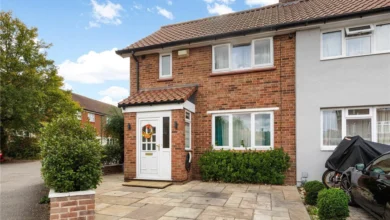
London Buying Agent vs Doing It Yourself: A Realistic Look at Time, Cost and Outcomes


Every London buyer eventually faces the same question: should I hire help, or manage the search myself? It is a fair thing to ask. Property portals make it feel as though everything is a few taps away, and a fee is a fee. Yet the capital’s market is fast, fragmented and unforgiving, and the real comparison is not simply between paying and not paying. Hiring a London buying agent changes how your time is spent, how much risk you carry and, in many cases, the price you end up paying. This article looks honestly at both routes so that you can decide which suits your circumstances.
The time you will really spend
Searching for a home yourself is rarely a weekend project. Setting up alerts, sifting through listings, booking viewings, travelling between them, following up with agents and chasing feedback can easily take ten or more hours a week. For someone with a demanding job or a young family, that is a second part-time role, and it often lasts for months.
A buying agent absorbs most of that workload. They filter listings against your brief, visit properties on your behalf, and present only those worth your attention. You still attend the viewings that matter, but you are no longer wasting Saturday mornings on homes that were never going to work. If your time has a clear monetary value, this is where much of the fee is recovered.
What it costs on each side
Doing it yourself is not free, even though no one sends you an invoice. There are travel costs, time away from work, and the cost of mistakes. Overpaying by two per cent on a £900,000 home is £18,000, which comfortably exceeds many agents’ fees. Missing a defect, misreading a lease or buying in the wrong street are all expensive errors that a more experienced eye might have caught.
Agents charge in different ways: a percentage of the price, a fixed fee, or a retainer followed by a success fee. Whatever the structure, ask for a clear written breakdown. The question to weigh is not whether the fee is large, but whether the likely savings and avoided problems exceed it. Sometimes they will not, particularly on straightforward purchases, and a candid agent will say so.
Access to the right properties
In London, a meaningful share of homes sell quietly, before or without a full public launch. Agents with strong local relationships hear about these early, sometimes before a sign goes up. A private buyer without those connections will usually see a home only once it is on the portals and every other buyer has seen it too.
This does not mean DIY buyers are shut out. Registering with many local estate agents, being responsive and proving that your finances are in order can all improve your chances. But it takes effort and persistence, and the relationships that an established agent has built over years cannot be replicated in a few weeks.
Negotiation and emotion
Negotiating on a home you love is hard. It is difficult to remain objective when you can already picture your furniture in the living room, and sellers’ agents are skilled at sensing enthusiasm. A buying agent is paid to stay detached. They compare the asking price with recent sales, identify leverage such as a long time on the market or a motivated seller, and keep discussions professional.
That objectivity also works in reverse. A good agent will sometimes advise you to walk away, which is hard to hear but valuable. Buyers who handle everything themselves often find it harder to abandon a purchase after investing so much time and hope.
Managing the process after the offer
Agreeing a price is only the midpoint. Instructing a solicitor, arranging a survey, coordinating with your mortgage broker and keeping the seller’s side moving can be demanding. Many London purchases stall because no one is chasing. An agent typically acts as project manager, keeping each party on schedule and spotting problems early.
If you have the time, patience and confidence to do this yourself, it is perfectly achievable. Many people do. The question is whether you want to learn the process on what may be the largest purchase of your life.
When doing it yourself makes sense
DIY can be a sensible choice in some situations. If you know your chosen area well, have flexible time, and are buying a fairly standard property, you may not need much support.
It is also worth considering a middle route. Some agents offer limited services, such as negotiation only or a due diligence review, which lets you keep control while gaining expert help at the moments where it counts.
When an agent earns their fee
An agent tends to deliver the most value in a few particular scenarios:
- You are relocating to London and do not know the neighbourhoods.
- You are buying a high-value or unusual property where errors are costly.
- Your time is limited and your search needs to be efficient.
- You are competing in a market segment where homes sell quickly or privately.
Making the decision
Start by being honest about your own constraints. How many hours can you realistically give to the search each week? How well do you know the areas you are considering? How comfortable are you negotiating, and how would you cope if a purchase collapsed after months of effort?
Then compare the likely fee with a sensible estimate of what the agent could save you, in money, time and risk. If you decide to hire help, interview more than one agent and ask for references. If you decide to go it alone, set a firm budget, line up your professional team early and do not rush.
Neither route is automatically better. What matters is that you choose deliberately, understanding what each demands of you and what each might return. In a market as competitive as London’s, a clear-eyed decision at the outset is the best foundation for a successful purchase.