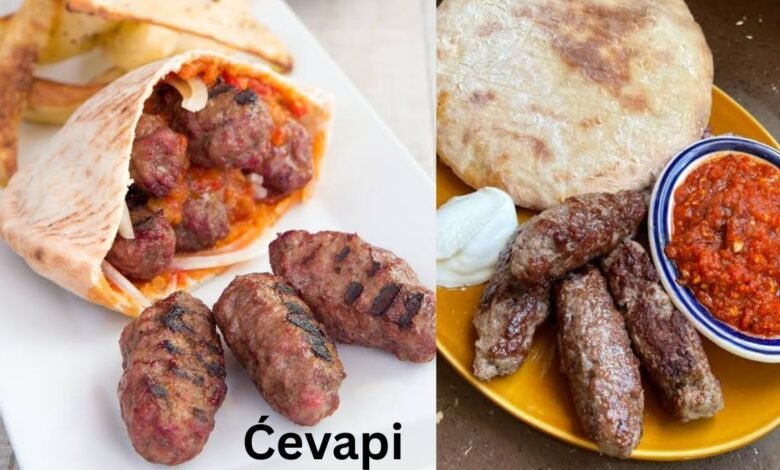
Ćevapi is one of the most recognizable grilled meat specialties of the Balkans, celebrated for its simple ingredients, rich savory flavor, and connection to regional food culture. These small, skinless rolls of minced meat are traditionally cooked over high heat and served with soft flatbread, chopped onions, and a selection of local accompaniments. The dish is especially popular in Bosnia and Herzegovina and Serbia, although it is also enjoyed in Croatia, Montenegro, and other parts of Southeastern Europe. Every region has its own preferences regarding meat, seasoning, size, and presentation. Despite these differences, the basic idea remains the same: well-seasoned meat prepared carefully and grilled until deliciously browned. Exploring Ćevapi reveals not only an appealing meal but also a culinary tradition influenced by history, local ingredients, and generations of home cooks.
Quick Information Table
| Information | Details |
|---|---|
| Dish name | Ćevapi |
| Alternative name | Ćevapčići |
| Cuisine | Balkan and Southeastern European |
| Food category | Grilled minced meat |
| Main ingredient | Minced meat |
| Common meat choices | Beef, lamb, veal, or regional combinations |
| Traditional shape | Small, skinless meat rolls |
| Cooking method | Grilling |
| Famous regional styles | Sarajevo and Banja Luka |
| Traditional bread | Somun or lepinja |
| Common accompaniment | Chopped onions |
| Popular spreads | Kajmak and ajvar |
| Flavor profile | Savory, meaty, and lightly smoky |
| Typical serving occasion | Lunch, dinner, and social gatherings |
| Availability | Restaurants, grill shops, and home kitchens |
1. What Exactly Is Ćevapi?
Ćevapi consists of short cylinders made from seasoned minced meat and cooked on a grill. Unlike conventional sausages, these meat rolls usually have no casing, allowing the surface to develop a flavorful brown crust while the interior remains tender when prepared correctly. Their relatively small size makes them convenient to serve in portions, place inside bread, or share with others. Traditional recipes generally emphasize the taste and quality of the meat rather than relying on heavy sauces or complicated seasoning mixtures. Although the dish resembles several other grilled meat specialties, its distinctive shape and regional serving customs give it a recognizable identity. Recipes differ between families and restaurants, meaning that an authentic version does not have to follow one universal ingredient list.
2. The Origins and History of Ćevapi
The history of Ćevapi is connected to the wider culinary traditions of the Balkans and the historical influence of Ottoman cuisine. Its name is related to the broader family of kebab dishes, reflecting centuries of culinary exchange across Southeastern Europe. As cooking traditions developed locally, communities adapted minced meat preparations to their available ingredients, tastes, and grilling practices. Over time, different towns developed recognizable ways of preparing and serving the dish. Bosnia and Herzegovina became particularly associated with celebrated regional styles, while Serbia and neighboring countries established their own versions. It is difficult to attribute the entire dish to one inventor or a single place because its development reflects a shared regional history. Today, Ćevapi continues to connect traditional cooking practices with modern restaurant culture.
3. Ingredients That Give Ćevapi Its Character
The foundation of Ćevapi is minced meat, with beef widely used in several well-known regional recipes. Other preparations may include lamb, veal, or pork, depending on local customs and the cook’s preferred recipe. Salt is essential for seasoning, while black pepper, garlic, and other additions may appear in particular variations. Some recipes use a small quantity of baking soda or cold water to influence the texture, but these ingredients are not universal requirements. The fat content of the meat also matters because extremely lean mince can become dry during grilling. Good-quality ingredients, even mixing, and consistent shaping help create a balanced result. Rather than adding too many spices, many cooks prefer a restrained approach that allows the natural flavor of the meat to remain central.
4. How Traditional Ćevapi Is Prepared
Preparing Ćevapi begins by combining minced meat with salt and the seasonings specified in the chosen recipe. The mixture is worked until it holds together, without being handled unnecessarily. Some cooks refrigerate it for several hours to help the texture develop and make shaping easier. The meat is then formed into small, evenly sized cylinders. Before cooking, the grill should be properly heated so that the rolls brown instead of slowly steaming. The pieces are turned as needed to cook them evenly and prevent excessive charring. Charcoal grilling can contribute a distinctive smoky aroma, although gas grills and suitable grill pans can also work well. The finished meat should be browned outside, juicy inside, and cooked thoroughly to a safe temperature.
5. Sarajevo and Banja Luka: Two Famous Styles
Regional variation is one of the most interesting aspects of Ćevapi. Sarajevo-style Ćevapi is commonly associated with beef-based meat rolls served in soft somun bread, often accompanied by chopped onions. Its preparation generally emphasizes the flavor of the meat and a relatively simple seasoning profile. Banja Luka, another Bosnian city, is known for a distinctive style in which several meat rolls may be connected into a larger arrangement. These differences can be visible before the dish is even served. The bread, portion size, and presentation may also vary between establishments. Both styles belong to the broader Ćevapi tradition, but their recognizable characteristics help distinguish local food identities. Regional recipes should therefore be understood as different interpretations rather than competing claims to one single standard.
6. The Importance of Bread and Accompaniments
Bread plays an important role in the traditional presentation of Ćevapi. Somun is strongly associated with Bosnian serving customs, while lepinja is commonly used in other regional preparations. These soft breads can be warmed before serving, allowing them to absorb some of the meat juices and complement the grilled flavor. Chopped raw onions are another familiar accompaniment, adding freshness and a sharp contrast to the savory meat. Kajmak, a rich dairy product, provides a creamy element, while ajvar, a relish commonly made with roasted red peppers and sometimes eggplant, adds a distinctive pepper flavor. Not every restaurant serves all these accompaniments, and combinations vary by locality. The best serving style balances the meat with complementary textures without overwhelming its flavor.
7. Flavor, Texture, and the Secrets of Good Grilling
Excellent Ćevapi depends on more than simply placing minced meat over a flame. The meat mixture needs an appropriate balance of lean meat and fat, while the rolls should be shaped evenly so they cook at a similar rate. A properly heated cooking surface helps create browning and develops the dish’s characteristic grilled aroma. Turning the rolls at suitable intervals promotes even cooking, while excessive heat can burn the exterior before the inside is ready. Crowding the grill may also reduce browning and make temperature control more difficult. The ideal result is a savory crust with a moist, tender interior. Simple seasoning, careful preparation, and attention to cooking temperature usually matter more than adding numerous ingredients.
8. Ćevapi Compared With Other Grilled Meat Dishes
Ćevapi belongs to a broad family of grilled meat foods, but its shape and preparation distinguish it from several related dishes. Many kebabs are prepared using pieces of meat, skewered portions, or larger portions of minced meat. Ćevapi generally consists of small, casing-free rolls made from seasoned mince. Pljeskavica, another Balkan specialty, uses minced meat shaped into a flat patty instead. Romanian mici, also called mititei, are closer in appearance because they are small, skinless grilled meat rolls, although their seasoning and preparation traditions differ. These similarities demonstrate how different cultures have developed related approaches to grilling meat. Understanding the differences helps explain why Ćevapi has its own identity within Balkan cuisine.
9. Making Ćevapi at Home
Home cooks can prepare Ćevapi using minced meat, basic seasonings, a mixing bowl, and a suitable grill or grill pan. Begin with a reliable recipe and select the appropriate meat combination. Mix the ingredients evenly, shape the mixture into uniform rolls, and refrigerate it if the recipe calls for resting. Preheat the cooking surface and arrange the pieces with enough room for even browning. Turn them as necessary, avoiding excessive pressure that could squeeze out their juices. Because minced meat can contain harmful bacteria throughout the mixture, its internal temperature should be checked with a food thermometer. Follow the recommended safe temperature for the meat used. Serve the cooked rolls promptly with warmed flatbread, onions, and optional traditional accompaniments for a satisfying homemade meal.
10. Nutritional Value and Food Safety
Food safety is essential when preparing Ćevapi because minced meat can contain harmful bacteria throughout the mixture. Keep raw meat refrigerated, wash your hands and utensils after handling it, and prevent raw meat from coming into contact with ready-to-eat foods. Ground beef, pork, lamb, and veal should reach an internal temperature of 160°F (71°C), measured with a food thermometer. The nutritional value of Ćevapi depends on the meat selection, fat content, portion size, and cooking method. Meat provides protein, iron, and vitamin B12, while fattier meat mixtures and rich accompaniments such as kajmak can increase the meal’s calorie and saturated fat content. Bread supplies carbohydrates, and vegetable accompaniments can add other nutrients. For accurate nutritional information, use a recipe with measured ingredients rather than relying on a general calorie estimate. Refrigerate leftovers promptly in a covered container and reheat them thoroughly before serving.
11. Where to Experience Ćevapi Today
Ćevapi remains popular in traditional restaurants, casual grill shops, and family kitchens throughout the Balkans. Specialist establishments known as ćevabdžinica are particularly associated with serving grilled meat alongside familiar breads and accompaniments. Visitors often discover the dish while exploring local food culture, but it is also an everyday choice for many residents. Migration and international travel have helped introduce Ćevapi to restaurants in other countries, where menus may adapt the ingredients or presentation to suit local preferences. Even when the surroundings change, the appeal of freshly grilled meat served with bread and onions remains recognizable. For those seeking a regional experience, trying a local version can reveal differences that a generic recipe may not capture.
12. Why Ćevapi Remains a Balkan Favorite
The lasting popularity of Ćevapi comes from its combination of straightforward ingredients, satisfying flavor, and cultural significance. It works as a quick lunch, a relaxed dinner, or part of a larger gathering where food is shared among friends and family. Small changes in the meat mixture, seasoning, shaping, and cooking method can create noticeably different results, giving the dish considerable variety without changing its essential character. Its familiar ingredients also make it approachable for people who are discovering Balkan cuisine for the first time. At the same time, regional specialties and family recipes preserve its connection to local traditions. This balance between simplicity and variety helps explain why Ćevapi continues to appear on menus across generations.
Final Thoughts
Ćevapi is much more than a simple grilled meat dish. It represents a rich Balkan culinary tradition shaped by historical influences, local preferences, and generations of cooking experience. Its appeal lies in carefully prepared minced meat, even grilling, soft traditional bread, and complementary accompaniments such as onions, kajmak, and ajvar. Although recipes differ across Bosnia and Herzegovina, Serbia, and neighboring regions, each version offers its own interpretation of this familiar specialty. Whether enjoyed at a traditional grill restaurant or prepared at home, Ćevapi provides a satisfying introduction to the flavors and food culture of Southeastern Europe. Understanding its ingredients, preparation, and regional variations makes the dish even more interesting to explore.
Frequently Asked Questions (FAQs)
1. What is Ćevapi?
Ćevapi is a traditional Balkan dish made from seasoned minced meat shaped into small, skinless rolls and grilled. It is commonly prepared with beef, although some regional recipes use other meats or combinations. It is often served with flatbread and chopped onions.
2. What meat is used in Ćevapi?
Beef is widely used, especially in several well-known regional styles. Depending on local traditions, recipes may also include lamb, veal, or pork. The meat mixture affects the flavor, texture, and fat content of the finished dish.
3. Is Ćevapi the same as kebab?
No. The dishes are related through broader grilling traditions, but they are not identical. Ćevapi generally consists of small, skinless rolls made from minced meat, whereas kebab refers to a wider range of preparations, including skewered meat and other grilled forms.
4. What is Ćevapi served with?
Traditional accompaniments often include somun or lepinja bread and chopped raw onions. Kajmak and ajvar are also popular in several regional traditions. The exact serving combination depends on the location, restaurant, and personal preference.
5. Can Ćevapi be made at home?
Yes. You can make Ćevapi with minced meat, seasonings, and a suitable grill or grill pan. Shape the mixture evenly, cook it thoroughly, and serve it with bread and preferred accompaniments. A food thermometer helps confirm that the minced meat has reached a safe internal temperature.