

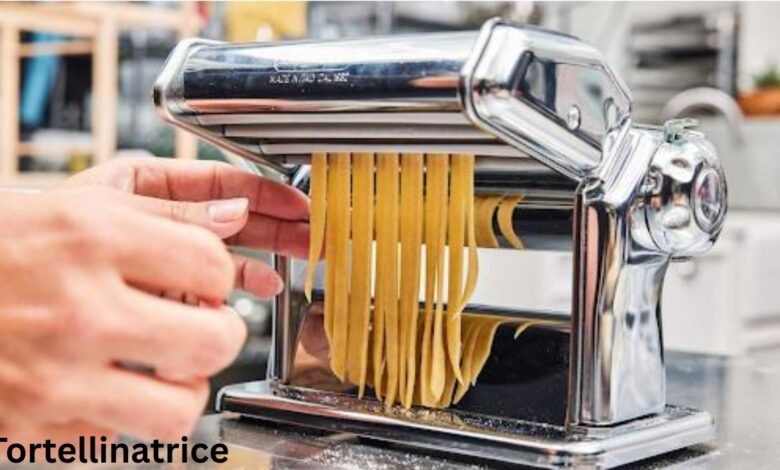
Making fresh stuffed pasta requires patience, precision, and attention to detail. Tortellini, the small filled pasta associated with Italian cooking, are particularly demanding because each piece must hold its filling securely while maintaining a recognizable shape. Preparing these products by hand can work well for small batches, but larger orders often require a more efficient approach. A Tortellinatrice is a specialized machine designed to help produce tortellini by coordinating different pasta-forming operations. Depending on its design, it may assist with dough feeding, filling distribution, cutting, shaping, and sealing. Understanding how this equipment works, what features it offers, and where it is useful can help pasta makers and food businesses determine whether it suits their needs.
Quick Information Table
| Information | Details |
|---|---|
| Equipment name | Tortellinatrice |
| Term origin | Italian |
| General meaning | Tortellini-making machine |
| Equipment category | Pasta-processing machinery |
| Main purpose | Producing shaped, filled tortellini |
| Primary material processed | Prepared pasta dough |
| Filling examples | Meat, cheese, and vegetables |
| Main operations | Feeding, filling, shaping, and sealing |
| Possible components | Rollers, filling units, and forming mechanisms |
| Automation | Varies by manufacturer and model |
| Typical users | Artisan pasta makers and food businesses |
| Production scale | Depends on equipment capacity |
| Cleaning needs | Regular cleaning and sanitation |
| Main advantage | More consistent, repeatable production |
| Selection priorities | Capacity, product quality, cleaning, and cost |
1. What Is a Tortellinatrice?
A Tortellinatrice is an Italian term for a machine used to produce tortellini. It is designed to help transform prepared pasta dough and filling into small, shaped portions of stuffed pasta. Unlike a conventional pasta roller, which mainly creates sheets of dough, a tortellini-making machine performs or assists with the additional steps needed to form filled pieces. Depending on the equipment, these operations may include measuring the filling, positioning the dough, cutting individual portions, folding the pasta, and sealing its edges. Some models combine several stages in one unit, while others require separate equipment or additional manual work. The exact functions therefore depend on the manufacturer’s design rather than a single universal machine configuration.
2. Main Uses of a Tortellinatrice
The main purpose of a Tortellinatrice is to support the production of tortellini in a repeatable and organized way. Artisan pasta shops may use suitable equipment to prepare regular customer orders, while restaurants can benefit when stuffed pasta appears frequently on their menus. Food manufacturers may incorporate forming machines into larger production systems that handle preparation, inspection, packaging, and storage. Mechanizing repetitive shaping tasks can also allow staff to spend more time monitoring ingredients and finished-product quality. Nevertheless, not every machine is suitable for every dough recipe, filling texture, or production requirement. Businesses should confirm the equipment’s capabilities before purchasing it, particularly if they plan to make several varieties of stuffed pasta.
3. Important Features and Components
The construction of a Tortellinatrice depends on its intended production scale and operating method. A machine may include dough-feeding equipment, rollers for controlling sheet thickness, a hopper for holding filling, a dosing mechanism, and forming components that shape the pasta. Cutting tools may separate individual pieces, while controls allow operators to adjust supported settings. Some systems also include conveyors, protective guards, or connections to other processing equipment. Food-contact surfaces are often made from stainless steel or other suitable materials designed for hygienic food processing. Buyers should examine how easily components can be accessed for cleaning, whether adjustments are straightforward, and whether replacement parts are available. These practical features can be just as important as production speed.
4. Preparing Dough and Filling
Successful tortellini production begins before the machine is switched on. Pasta dough must be prepared with an appropriate balance of ingredients and moisture so that it can be rolled and shaped without excessive sticking or tearing. Recipes vary, and the best consistency depends on the ingredients and the equipment being used. The filling also requires suitable preparation. Meat, cheese, or vegetable mixtures must have a texture that works with the machine’s feeding and portioning system. Large pieces, excessive moisture, or an unsuitable consistency may interfere with filling distribution or sealing. Operators should follow the machine manufacturer’s recommendations and test the chosen recipe before beginning a large production run. Proper ingredient preparation helps prevent avoidable defects later.
5. Dough Feeding and Thickness Control
Once the dough is ready, it is supplied to the machine either as a prepared sheet or through a connected rolling system. Rollers or calibrating components may help produce a sheet with a more consistent thickness. This matters because uneven dough can affect the finished product’s texture, shape, and ability to hold its filling. Dough that is too thick may produce heavy pasta, while dough that is too thin can tear during forming. The appropriate thickness depends on the recipe, the size of the tortellini, and the manufacturer’s instructions. Operators should inspect the dough regularly and make adjustments only within the machine’s intended settings. Consistent preparation creates a better foundation for accurate filling and reliable shaping.
6. Filling Distribution and Portion Control
After the dough reaches the filling stage, the machine may use a dosing mechanism to place measured portions of filling at suitable intervals. The aim is to distribute the filling consistently so that individual tortellini have a balanced composition. However, reliable dosing depends on the filling’s texture, temperature, and suitability for the equipment. A mixture that is too coarse or sticky may not flow evenly, while excessive moisture can make sealing more difficult. Operators should check the manufacturer’s guidance for acceptable filling characteristics and make sure the dosing mechanism is clean and correctly adjusted. Monitoring sample pieces during production can reveal whether portions are too large, too small, or unevenly distributed.
7. Folding, Shaping, and Sealing
The forming stage gives tortellini their familiar appearance. Depending on the machine’s design, cutting and shaping components may divide the dough into portions and fold it around the filling. The edges are then brought together and sealed to keep the filling inside. Good sealing is essential because poorly joined edges may open during handling or cooking. At the same time, the forming process must avoid damaging the dough or squeezing out too much filling. The finished shape depends on several factors, including dough consistency, portion size, machine settings, and the condition of the forming components. Operators should inspect the output regularly and address recurring problems before continuing with a large batch.
8. Benefits for Pasta Businesses
A Tortellinatrice can help businesses reduce repetitive manual shaping and organize production more efficiently. When the machine is suitable for the recipe and correctly operated, it can support more consistent portioning and appearance across a batch. This can make products easier to arrange, handle, and prepare for packaging. Mechanization may also help a business meet recurring orders without relying entirely on hand-folding. However, the benefits are not identical for every operation. A small restaurant producing occasional portions may gain little from a large industrial unit, whereas a pasta manufacturer handling substantial orders may need a more automated system. Businesses should compare expected demand, labor requirements, equipment costs, and available workspace before investing.
9. Automation and Machine Configurations
Tortellini-making equipment is available in different configurations, but manufacturers do not necessarily use the same categories or terminology. Some machines require substantial operator involvement, while others automate multiple stages of production. Certain systems may operate independently, whereas others are designed to work alongside dough mixers, sheet rollers, conveyors, or packaging equipment. The appropriate configuration depends on the amount of pasta being produced, the available staff, and the desired level of control. Buyers should examine the actual functions and rated capacity of each model rather than relying only on labels such as semi-automatic or fully automatic. A demonstration using the intended dough and filling can provide a more realistic picture of performance.
10. Cleaning, Maintenance, and Food Hygiene
Regular cleaning is essential because dough and filling residues can accumulate around rollers, hoppers, cutting components, and forming mechanisms. If residues remain, they may affect subsequent production and create hygiene concerns. Operators should follow the manufacturer’s instructions for disassembly, cleaning, sanitation, drying, and reassembly. Electrical components and moving parts must be handled according to the equipment’s safety procedures. Maintenance may include checking seals, inspecting components for wear, and arranging repairs when necessary. Food businesses should also follow applicable hygiene requirements and manage allergens carefully when different fillings are processed. A documented cleaning routine and preventive maintenance schedule help support safe operation and reduce avoidable interruptions.
11. How to Choose the Right Tortellinatrice
Choosing the right Tortellinatrice starts with identifying the business’s actual production needs. Buyers should estimate daily output, list the intended pasta shapes and fillings, and determine how much operator involvement is acceptable. They should then compare machine capacity, adjustment options, dimensions, power requirements, cleaning procedures, and compatibility with existing equipment. Purchase price is only one part of the decision; installation, training, maintenance, spare parts, and technical support can also affect long-term costs. It is useful to ask suppliers about warranty terms and whether the machine can be tested with the intended recipe. Selecting equipment based on demonstrated performance and practical requirements is more reliable than choosing solely by appearance or advertised speed.
12. Common Production Problems and Solutions
Production problems can occur when dough, filling, or machine settings are unsuitable. Torn pasta may indicate inconsistent dough preparation or an unsuitable sheet thickness. Poor sealing may result from excessive filling, dough that is difficult to work with, or incorrect forming settings. Uneven filling portions can point to a dosing issue or a mixture that does not move consistently through the feeding system. Rather than changing several settings at once, operators should identify the likely cause and make controlled adjustments in accordance with the manufacturer’s guidance. Keeping simple records of recipes, settings, and recurring defects can help staff recognize patterns. Regular training, inspections, and small test batches can improve consistency before full production begins.
13. Final Thoughts
A Tortellinatrice can help pasta businesses produce tortellini more efficiently and consistently. By supporting dough handling, filling distribution, shaping, and sealing, it can reduce repetitive manual work and simplify production. However, the right machine depends on production volume, recipe requirements, available space, and budget. Smaller businesses may prefer equipment that is easy to operate and clean, while larger manufacturers may need greater automation. Proper ingredient preparation, trained operators, regular cleaning, and preventive maintenance are essential for reliable results. By evaluating these factors before purchasing, businesses can select equipment that suits their needs and supports consistent stuffed-pasta production.
Frequently Asked Questions
1. What does Tortellinatrice mean?
Tortellinatrice is an Italian term for a machine used to make tortellini. The equipment helps shape pasta dough around a filling and seal the individual pieces. Its specific functions depend on the model.
2. How does a Tortellinatrice work?
The process generally involves feeding prepared dough, distributing filling, and forming and sealing the pasta. Some machines combine several operations, while other systems require separate equipment or manual assistance.
3. Who can use a Tortellinatrice?
Artisan pasta makers, restaurants, commercial kitchens, and food manufacturers may use this equipment. The right choice depends on production volume, recipe requirements, available space, and budget.
4. What are the main benefits?
A Tortellinatrice can reduce repetitive manual work, improve production consistency, and help businesses prepare larger batches more efficiently. Actual results depend on the equipment and operating conditions.
5. How do you maintain a Tortellinatrice?
Follow the manufacturer’s cleaning and maintenance instructions, remove food residues safely, inspect components for wear, and arrange repairs when needed. Appropriate sanitation and allergen-control practices are also important.