

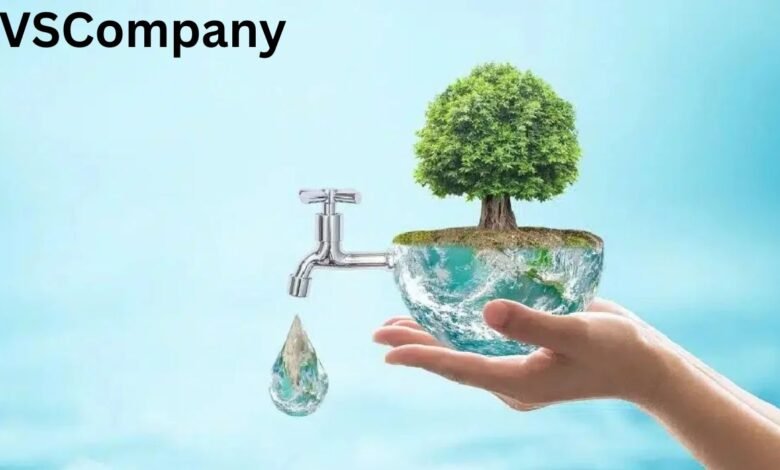
Water conservation has become an increasingly important part of environmental planning as communities, businesses, and public institutions look for better ways to manage limited water resources. VSCompany is associated with water-conservation and water-management solutions, with a particular emphasis on approaches such as rainwater harvesting and sustainable resource management. Understanding the role of VSCompany requires looking at both the practical side of water conservation and the technology that can support more efficient management.
Modern water solutions are not limited to collecting rainwater or reducing daily consumption. They can also involve groundwater monitoring, water reuse, environmental restoration, system planning, and ongoing maintenance. This guide explains the main areas associated with VSCompany, how water-conservation solutions work, where technology fits into the process, and what organizations should consider before adopting such systems.
Quick Information Table
| Data Point | Information |
|---|---|
| Company Name | V S Company |
| Common Reference | VSCompany |
| Industry | Water Conservation |
| Headquarters | New Delhi, India |
| Founded | 2013 |
| Main Focus | Water Resource Management |
| Rainwater Harvesting | 3,000+ Systems Constructed |
| Piezometer Installation | 50+ Installed |
| Water-Body Revival | 200+ Ponds Revived |
| Key Service | Rainwater Harvesting |
| Other Service | Wastewater Management |
| Environmental Service | Water-Body Revival |
| Technical Service | Piezometer Installation |
| Additional Service | Water Sanitation Work |
| Maintenance | Water-System Maintenance |
What Is VSCompany?
VSCompany, also known as V S Company, is an India-based company focused on water conservation and water-resource management. Its publicly listed services include rainwater harvesting, water-body revival, piezometer installation, wastewater management, water sanitation work, and maintenance services. The company states that its work is aimed at helping clients manage water resources more effectively through practical conservation solutions. According to its public company information, V S Company was established in 2013 and is headquartered in New Delhi, India.
Why Water Conservation Matters
Water is essential for households, agriculture, industry, public services, and natural ecosystems. However, the availability of usable water is not always consistent throughout the year. Some areas receive substantial rainfall during certain seasons but experience water shortages during dry periods. This creates a need for systems that can make better use of available water.
Water conservation focuses on reducing unnecessary consumption and improving the way available resources are collected and managed. Rainwater harvesting, groundwater recharge, water reuse, and efficient distribution can all contribute to this objective. The exact combination depends on local conditions, water requirements, infrastructure, and environmental factors.
Rainwater Harvesting Solutions
Rainwater harvesting is one of the most practical approaches to water conservation. It involves collecting rainfall from suitable surfaces and directing it into a storage or recharge system. Depending on the design, collected rainwater may be stored for appropriate non-potable applications or directed into systems intended to support groundwater recharge.
A successful rainwater-harvesting project requires more than simply installing a tank. The system needs suitable collection surfaces, drainage arrangements, filtration, storage capacity, and regular maintenance. Local rainfall patterns and the amount of water required should also be considered during planning.
VSCompany’s association with water-conservation solutions places rainwater harvesting within a wider strategy of responsible resource management. When properly designed, such systems can help reduce the amount of rainfall that is lost as uncontrolled runoff while providing an additional source of water for suitable purposes.
Groundwater Management and Recharge
Groundwater is an important resource for many communities and organizations. It exists beneath the surface and can provide a dependable source of water when managed responsibly. However, excessive extraction can place pressure on groundwater reserves, making monitoring and recharge important components of long-term water planning.
Groundwater management involves understanding how underground water levels change and how local geological conditions influence water movement. Monitoring equipment can provide useful information about groundwater conditions, while appropriately designed recharge systems can help water move back into suitable underground formations.
Any groundwater project needs careful technical assessment. Soil structure, geology, water quality, rainfall, and local regulations can affect whether a particular recharge method is appropriate. For this reason, professional planning is an important part of sustainable groundwater management.
Water Reuse and Resource Efficiency
Water conservation can also involve finding suitable ways to reuse water instead of relying entirely on fresh supplies. Depending on the source and treatment level, some forms of treated wastewater may be appropriate for applications such as landscaping, irrigation, or selected industrial activities.
Water reuse requires careful treatment and monitoring because water quality requirements vary according to how the water will ultimately be used. Water intended for one purpose should not automatically be considered safe for another purpose.
The wider principle is resource efficiency. If water can be safely treated and reused for an appropriate application, the demand for fresh water may be reduced. This can complement rainwater harvesting and other conservation methods as part of a broader management strategy.
Water-Body Restoration
Lakes, ponds, and other natural or constructed water bodies can contribute to local water management and environmental health. They can provide storage, support ecosystems, and interact with surrounding groundwater systems. However, pollution, sediment accumulation, poor drainage, and inadequate maintenance can reduce their usefulness.
Water-body restoration aims to improve the condition and function of these resources. A successful project may require an assessment of water quality, surrounding land use, drainage patterns, sediment, vegetation, and long-term maintenance requirements.
The purpose of restoration should not simply be visual improvement. A properly planned project should consider the environmental and hydrological role of the water body and how it fits into the surrounding landscape.
The Role of Technology in VSCompany Solutions
Technology supports modern water-management projects by helping with system planning, measurement, monitoring, and assessment. VSCompany describes its approach as combining practical water-conservation work with advanced technology. Its service portfolio includes technical activities such as piezometer installation, which can support groundwater-level monitoring. However, technology is only one part of an effective water-management project; appropriate design, installation, maintenance, and site-specific assessment are also important for achieving the intended results.
Who Can Benefit From VSCompany Solutions?
Water-conservation solutions can potentially serve a wide range of users. Residential communities may use rainwater-harvesting systems to make better use of seasonal rainfall. Commercial properties may consider conservation projects as part of their environmental and resource-management plans. Municipal organizations may require larger systems involving public water bodies, drainage, groundwater, or community infrastructure.
Each project should be designed according to the conditions of its location. A solution suitable for a small residential building may not be appropriate for a large commercial or municipal property.
Before selecting a system, users should consider water demand, available space, rainfall patterns, soil conditions, existing infrastructure, maintenance requirements, budget, and applicable regulations.
Benefits of Sustainable Water Management
Effective water management can provide several practical and environmental benefits. It can reduce unnecessary water loss, improve resource efficiency, support responsible consumption, and make better use of rainfall. In suitable circumstances, conservation systems may also reduce dependence on conventional water sources for specific applications.
Another benefit is improved awareness. When people can see how water is collected, stored, monitored, or reused, conservation becomes a more visible part of everyday resource management.
However, benefits depend heavily on implementation. A poorly maintained system may become less effective over time. Therefore, installation should be viewed as the beginning of a water-management process rather than its conclusion.
Important Considerations Before Choosing a Solution
Anyone considering a water-conservation project should first understand the site’s actual requirements. Rainfall, water consumption, drainage, soil, groundwater conditions, available space, and existing infrastructure can all influence the appropriate solution.
Budget should also be considered, but the lowest initial cost does not necessarily represent the most practical long-term option. Maintenance, replacement parts, monitoring, cleaning, and operational requirements can influence the overall cost of ownership.
Users should also check applicable local regulations and seek appropriate technical advice when a project involves groundwater, wastewater treatment, structural modifications, or public infrastructure. This helps ensure that the chosen approach is suitable for both environmental and practical requirements.
VSCompany and Sustainable Development
Sustainable development involves using natural resources responsibly while considering long-term environmental needs. Water is central to this concept because reliable water resources support communities, economic activity, agriculture, and ecosystems.
The type of work associated with VSCompany fits within this wider sustainability framework by focusing on water conservation and resource management. Rainwater harvesting, groundwater protection, water reuse, and environmental restoration can each contribute to more responsible water use when they are properly planned.
Sustainability also depends on human behavior. Even an effective water-management system requires users to avoid unnecessary waste and follow appropriate maintenance procedures. Technology and infrastructure are therefore most useful when combined with responsible daily practices.
Future of Water Conservation
The future of water conservation is likely to involve stronger integration between physical infrastructure and digital monitoring. Data can help organizations understand consumption patterns, identify changes in water availability, and evaluate whether conservation systems are performing as expected.
Better planning can also encourage the integration of rainwater harvesting, groundwater management, wastewater reuse, and environmental restoration instead of treating each activity as an isolated project.
For companies working in this field, the opportunity lies in developing practical systems that are efficient, maintainable, and appropriate for local conditions. The broader objective is not simply to install more equipment but to create water-management systems that continue to provide value over time.
Final Thoughts
VSCompany is associated with water conservation and sustainable water-resource management, with areas such as rainwater harvesting and related environmental solutions forming an important part of the discussion. Its broader relevance comes from the growing need for practical approaches to managing water responsibly.
The effectiveness of any water-conservation project depends on proper planning, suitable technology, correct installation, regular maintenance, and responsible use. Rainwater harvesting, groundwater management, water reuse, and water-body restoration can all contribute to sustainability when they are designed according to local requirements.
For readers researching VSCompany, the most important step is to verify the specific organization, its services, project experience, and current information before making a business or technical decision. This is especially important because similar company names can appear across different industries and locations.
Frequently Asked Questions
1. What is VSCompany?
VSCompany is associated with water conservation and sustainable water-resource management. Its subject area includes practical approaches for collecting, managing, monitoring, and conserving water.
2. What is the main focus of VSCompany?
The main focus discussed in relation to VSCompany is water conservation and resource management. Rainwater harvesting is one of the important areas connected with this field, alongside broader approaches to sustainable water use.
3. How does rainwater harvesting help?
Rainwater harvesting captures rainfall that might otherwise become runoff. Depending on system design, the collected water can be stored for suitable uses or directed toward groundwater-recharge systems.
4. Can businesses use water-conservation solutions?
Yes. Businesses can consider water-conservation systems according to their building design, water demand, available space, local rainfall, infrastructure, and regulatory requirements. Commercial projects may include rainwater harvesting, water reuse, monitoring, and other resource-efficiency measures.
5. Why is technology important in water management?
Technology can help collect data, monitor water conditions, support system planning, and identify changes over time. However, technology works best when combined with proper engineering, installation, maintenance, and responsible water-use practices.