

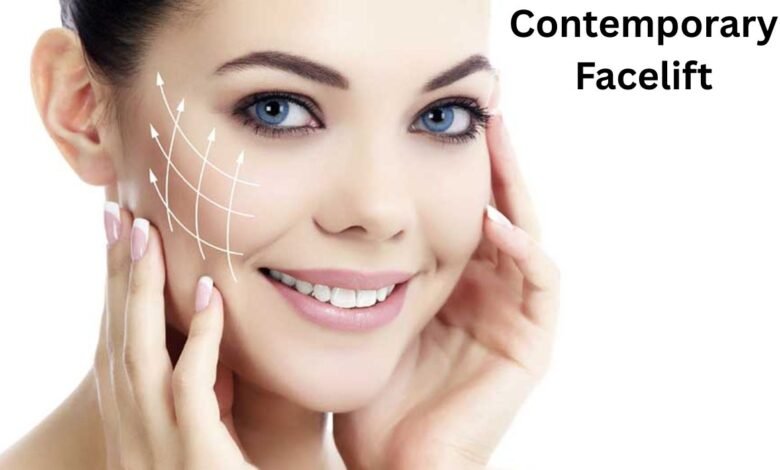
A Contemporary Facelift is a modern approach to facial rejuvenation designed to address visible signs of aging while maintaining a natural-looking appearance. Unlike older approaches that often focused heavily on pulling and tightening the skin, contemporary techniques may also address the deeper supporting tissues beneath the skin. Changes in facial volume, skin elasticity, the jawline, cheeks, and neck can all influence how aging appears. Because every face ages differently, surgeons typically develop an individualized surgical plan based on anatomy, skin condition, and the person’s goals. Understanding the techniques, recovery process, potential benefits, and limitations can help anyone considering this procedure have a more informed discussion with a qualified surgeon.
Quick Information Table
| Data Point | Details |
|---|---|
| Procedure | Contemporary Facelift |
| Main Purpose | Facial rejuvenation |
| Common Treatment Areas | Lower face, cheeks, jawline, and sometimes neck |
| Main Concern | Facial skin and tissue laxity |
| Surgical Approach | Varies according to individual anatomy |
| Deeper Tissues | May include treatment of supporting facial layers |
| Skin Treatment | Excess skin may be repositioned or removed |
| Facial Volume | May be considered during treatment planning |
| Incisions | Usually positioned around the ear and nearby areas |
| Anesthesia | Depends on the procedure and medical assessment |
| Recovery | Requires a period of rest and healing |
| Early Effects | Swelling, bruising, tightness, and discomfort may occur |
| Results | Become clearer as postoperative swelling decreases |
| Longevity | Varies between individuals |
| Medical Consultation | Important before deciding on surgery |
1. What Is a Contemporary Facelift?
A Contemporary Facelift is an updated approach to facelift surgery that considers more than loose skin alone. As the face ages, several layers can change, including the skin, fat compartments, connective tissues, and underlying support structures. Modern facelift techniques may therefore involve repositioning deeper tissues as well as managing excess skin. The exact technique depends on the individual’s facial structure and the type of aging that needs to be addressed. Rather than creating an artificially tight appearance, the overall objective is generally to improve facial contours while respecting the person’s existing proportions and features.
2. Why Does the Face Change With Age?
Facial aging results from several processes happening gradually over time. The skin naturally becomes less elastic, while collagen and other structural components decrease. Fat can also shift position or become reduced in particular areas. At the same time, underlying tissues may become less supportive, contributing to changes around the cheeks, jawline, and neck. Sun exposure, genetics, smoking, weight changes, and general lifestyle factors can influence how quickly these changes become noticeable. Because aging involves several structures simultaneously, modern facelift planning may consider the overall facial framework rather than treating skin looseness as the only problem.
3. How Contemporary Techniques Differ From Older Approaches
Facelift surgery has changed significantly over the years. Earlier facelift approaches often placed greater emphasis on managing and tightening the skin, while modern techniques may also focus on the deeper supporting tissues of the face. Techniques involving the SMAS, or superficial musculoaponeurotic system, can be used in appropriate cases to improve structural support. Some procedures may involve deeper tissue repositioning, while others use more limited approaches. Because facelift terminology can vary among surgeons, patients should ask which specific technique is being recommended and why it is appropriate for their individual facial anatomy and goals.
4. The Importance of Deeper Facial Support
The skin rests over several layers of tissue that contribute to the shape and movement of the face. With aging, these structures can become weaker or shift downward. A contemporary surgical approach may therefore address deeper support rather than placing all the tension on the skin. Depending on the chosen method, the surgeon may tighten or reposition specific underlying tissues before redraping the skin. This approach can be useful when significant laxity affects the lower face or jawline. However, deeper surgery is not automatically better for every person. The appropriate method depends on anatomy, the extent of aging, surgical goals, and the surgeon’s assessment.
5. Which Areas Can a Contemporary Facelift Improve?
A facelift primarily addresses age-related changes affecting the middle and lower portions of the face, although the exact treatment area depends on the procedure. Common concerns include loose skin around the lower cheeks, jowls, reduced jawline definition, and certain forms of neck laxity. A facelift does not automatically correct every facial concern. Forehead wrinkles, eyelid changes, pigmentation, and certain fine lines may require separate treatments. Some individuals may combine facial procedures when clinically appropriate, but this decision should be based on an individualized consultation rather than a standard package of treatments.
6. Incision Placement and Scarring
Incision planning is an important part of facelift surgery. Surgeons generally try to place incisions in locations where scars can be relatively discreet after healing. Depending on the technique, incisions may extend around the ear and into the hair-bearing areas near the temple or behind the ear. The precise pattern depends on the amount of correction needed, hairline characteristics, previous surgery, and the surgeon’s technique. Even with careful planning, facelift surgery produces scars because incisions are necessary. Healing also differs from person to person. Patients should therefore discuss realistic expectations regarding scar appearance before surgery.
7. Facial Volume and Modern Rejuvenation
Not all facial aging is caused by excess tissue. Some people experience volume loss or redistribution of facial fat, which can make certain areas look hollow while other areas appear heavier. For this reason, facial volume can be considered during contemporary facelift planning. In selected cases, a surgeon may discuss fat transfer or another method of restoring volume alongside facelift surgery. This is not required for everyone. The goal is to create appropriate balance rather than simply adding fullness. A detailed facial assessment helps determine whether volume changes are significant enough to influence the treatment plan.
8. Who May Be Suitable for the Procedure?
There is no single age that automatically determines whether someone should have a facelift. Suitability depends on the individual’s facial changes, general health, skin condition, expectations, and personal reasons for considering surgery. Someone with noticeable laxity who wants a longer-lasting surgical approach may discuss facelift surgery with a qualified professional. Medical history is also important because certain medications, health conditions, smoking, and previous procedures can affect surgical planning or healing. A proper consultation allows the surgeon to evaluate these factors and explain whether surgery is appropriate and what alternatives may exist.
9. What Happens During a Contemporary Facelift?
The procedure varies depending on the selected surgical technique. Before surgery, the surgeon normally reviews the patient’s medical history, examines facial anatomy, discusses desired outcomes, and explains the planned procedure. During surgery, carefully positioned incisions allow access to the tissues requiring correction. The surgeon may reposition or tighten deeper supporting structures, manage excess skin, and improve the contours of the lower face or neck when included in the plan. The skin is then redraped over the adjusted tissues. The operation is performed using an appropriate form of anesthesia based on the procedure and the patient’s medical circumstances.
10. Recovery and Healing
Recovery is an important part of the facelift process and should not be treated as an afterthought. Swelling, bruising, tightness, numbness, and temporary discomfort can occur after surgery. The amount and duration vary between individuals. Patients may receive instructions concerning wound care, medications, sleeping positions, physical activity, and follow-up appointments. Strenuous exercise and activities that could interfere with healing are generally restricted during the early recovery period. Swelling gradually decreases rather than disappearing immediately, so the final appearance should not be judged during the first few days. Healing continues for weeks, and subtle changes may remain as tissues settle.
11. Possible Risks and Complications
Like any surgical procedure, a facelift has potential risks. These can include bleeding, infection, fluid collection, delayed wound healing, visible or unfavorable scarring, asymmetry, changes in sensation, and complications related to anesthesia. Nerve-related complications can also occur, although serious nerve injury is uncommon. Individual risks depend on factors such as general health, medications, smoking, previous surgery, anatomy, and the specific technique used. Patients should provide their surgeon with complete medical information and ask about potential complications before making a decision. Understanding both benefits and risks is an essential part of responsible surgical planning.
12. How Long Can the Results Last?
A facelift can produce long-lasting improvement, but it cannot stop the natural aging process. After surgery, the facial tissues continue to change over time. How long the improvement remains noticeable varies according to genetics, skin quality, lifestyle, sun exposure, weight fluctuations, and the surgical technique used. Protecting the skin from excessive sunlight, avoiding smoking, maintaining a relatively stable weight, and following a suitable skincare routine can support overall skin health. However, these habits do not permanently preserve surgical results. A facelift should therefore be viewed as a procedure that refreshes the appearance rather than one that permanently freezes the face at a particular age.
13. Final Thoughts
A Contemporary Facelift reflects the continuing development of facial rejuvenation surgery. Modern techniques can consider skin laxity, deeper supporting tissues, facial contours, and changes in volume rather than relying exclusively on skin tightening. Because facial aging is different for every person, there is no universal technique that produces the same result for everyone. Anyone considering surgery should have a detailed consultation with a qualified surgeon, discuss realistic goals, understand potential risks, and learn about the expected recovery process. With careful planning and appropriate expectations, contemporary facelift surgery can be one option for addressing age-related changes in the lower face, jawline, and neck.
Frequently Asked Questions
1. What is a Contemporary Facelift?
A Contemporary Facelift is a modern facelift approach that can address loose skin and, when appropriate, deeper facial supporting tissues. The specific technique is selected according to the patient’s anatomy, degree of tissue laxity, and desired outcome.
2. How is a Contemporary Facelift different?
Modern facelift techniques may focus on deeper facial support in addition to managing excess skin. However, there is no single definition of a contemporary technique, and different surgeons may use different approaches and terminology.
3. How long is facelift recovery?
Recovery varies according to the extent of surgery and the individual. Swelling and bruising are usually more noticeable during the early healing period and gradually improve. The surgeon’s postoperative instructions should determine when normal activities and exercise can be resumed.
4. Does a facelift stop aging?
No. A facelift can improve existing signs of aging but does not prevent future changes. The face continues to age naturally after surgery, although the treated areas may maintain an improved appearance for many years.
5. Is a Contemporary Facelift safe?
Facelift surgery is an established procedure, but it has potential risks, including bleeding, infection, scarring, asymmetry, sensory changes, delayed healing, and other complications. A qualified surgeon can explain the individual’s specific risks and available alternatives during a consultation.