

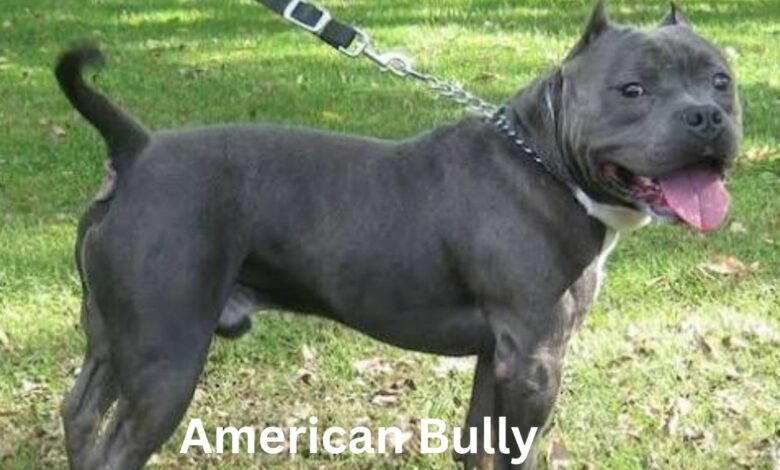
The American Bully is a modern companion dog recognized for its muscular body, broad head, strong build, and people-oriented nature. Its powerful appearance can sometimes make it seem intimidating, but appearance alone does not determine a dog’s behavior. Individual temperament depends on genetics, upbringing, socialization, training, and the environment in which the dog lives. The breed was developed in the United States from several bully-type and terrier-related bloodlines, with an emphasis on creating a companion with a distinctive appearance and generally social temperament. Before bringing one home, potential owners should understand its exercise, nutrition, training, grooming, health, and social needs.
Quick Information Table
| Category | Details |
|---|---|
| Breed Name | American Bully |
| Origin | United States |
| Main Purpose | Companion dog |
| Coat Type | Short and smooth |
| General Build | Muscular and compact to substantial |
| Temperament | Often affectionate, confident, and social |
| Training | Early and consistent training recommended |
| Socialization | Important from puppyhood |
| Exercise | Regular daily activity |
| Grooming | Generally low maintenance |
| Common Types | Pocket, Standard, Classic, and XL |
| Diet | Complete and balanced dog food |
| Living Needs | Exercise, companionship, training, and veterinary care |
| Training Approach | Reward-based and consistent |
| Key Considerations | Health, structure, temperament, and responsible ownership |
1. What Is an American Bully?
The American Bully is a relatively modern breed developed primarily as a companion dog. It is known for its muscular frame, broad chest, substantial bone, large head, and strong overall appearance. While the breed has physical characteristics that make it stand out, responsible ownership should focus on health and function rather than exaggerated features. Individual dogs can differ considerably in size, structure, energy, and temperament. For this reason, people considering ownership should evaluate the particular dog they are interested in instead of assuming every American Bully will behave or look exactly the same.
2. History and Development
The breed developed in the United States during the late twentieth century. Breeders combined dogs from established bully-type and terrier-related bloodlines while working toward a companion animal with a muscular appearance and a generally approachable temperament. The development involved different breeding programs, which is one reason modern dogs can show noticeable variation in body shape and size. Over time, breed organizations established standards describing acceptable characteristics and different size categories. Understanding this history helps explain why the American Bully is a relatively new breed compared with many older established dog breeds.
3. Appearance and Physical Characteristics
The physical appearance of an American Bully is one of its most recognizable features. Many individuals have a broad head, pronounced cheeks, a strong neck, a deep chest, muscular shoulders, and well-developed hindquarters. The coat is normally short and close to the body, and numerous colors and patterns can occur. However, a healthy dog should not be selected solely because it looks exceptionally muscular or heavy. Functional movement, comfortable breathing, good body condition, and overall health are more important than extreme physical characteristics. Excessively exaggerated features can potentially create welfare and mobility concerns.
4. American Bully Types and Sizes
American Bullies are commonly described according to size and body style. Common classifications include Pocket, Standard, Classic, and XL, although the exact classification and measurements can vary between breed registries. Pocket dogs are shorter, while XL dogs are considerably taller. Classic American Bullies generally have a lighter frame and less exaggerated musculature than some other varieties. Because standards differ between organizations, prospective owners should check the specific registry’s official requirements when comparing types. Regardless of size, health, balanced structure, comfortable movement, and sound temperament should be more important than choosing a dog simply because it is unusually large or heavily muscled.
5. Temperament and Personality
A properly socialized American Bully is generally intended to be a companion-oriented dog. Many individuals form strong bonds with their owners and enjoy regular human interaction. Nevertheless, breed descriptions cannot guarantee the behavior of every individual. Genetics, early socialization, training, previous experiences, and living conditions all influence temperament. Puppies should be gradually introduced to suitable people, environments, sounds, handling, and well-behaved dogs. Positive experiences can help develop confidence, while consistent boundaries teach the dog how to behave appropriately in different situations.
6. Training and Obedience
Training should start early, particularly because this breed can become physically strong as it matures. Basic commands such as sit, stay, come, leave it, and walking calmly on a leash are valuable for everyday life. Reward-based training can encourage desirable behavior while helping build trust between the dog and its owner. Consistency is important because mixed rules can confuse a young dog. Training should not depend on harsh physical methods. Instead, owners should establish clear expectations and reinforce appropriate behavior through rewards, repetition, and patience.
7. Exercise and Activity Requirements
Exercise requirements vary depending on the dog’s age, size, health, and individual energy level. Healthy adults can benefit from regular walks, controlled games, training activities, and mental stimulation. Puppies need age-appropriate activity and should not be pushed into excessive jumping, running, or repetitive high-impact exercise while their bodies are developing. Owners should also watch for signs of overheating, exhaustion, pain, or breathing difficulty. Exercise should support physical fitness and mental well-being rather than simply trying to tire the dog out as quickly as possible.
8. Feeding and Nutrition
Proper nutrition plays an important role in maintaining healthy muscles, bones, joints, and body weight. An American Bully should receive a complete and balanced diet appropriate for its life stage and individual needs. Feeding extra food to make a dog appear larger is not a healthy strategy. Excess body weight can place additional stress on the joints and may contribute to other health problems. Puppies, adults, and senior dogs can have different nutritional requirements. Owners should monitor body condition rather than relying only on the amount of food suggested on packaging, and veterinary advice can be useful when specific dietary concerns arise.
9. Grooming and Hygiene
The short coat generally makes grooming relatively straightforward. Regular brushing can remove loose hair and help keep the coat in good condition. Bathing can be done when necessary with products specifically designed for dogs. Other routine care includes nail trimming, ear checks, and dental hygiene. Grooming also gives owners an opportunity to notice changes such as irritated skin, unusual lumps, ear problems, or damaged nails. Introducing these routines when the dog is young can make handling easier later, especially because a fully grown dog can be strong and difficult to restrain if it has never learned to tolerate grooming.
10. Health and Veterinary Care
Like other breeds, American Bullies can experience a range of health problems. Potential concerns vary between individuals and can be influenced by genetics, breeding practices, body structure, weight, and general care. Some dogs may experience skin problems, allergies, joint issues, or weight-related concerns. Extremely exaggerated physical characteristics can also create functional problems in some dogs. Prospective owners should ask breeders for relevant health information and veterinary records instead of choosing a puppy based entirely on appearance. Routine veterinary examinations, vaccinations, parasite prevention, dental care, appropriate nutrition, and healthy weight management are all important parts of responsible ownership.
11. Living With an American Bully
This breed can adapt to different household environments when its physical and social needs are properly met. Having a large yard does not replace regular walks, training, companionship, and mental stimulation. Owners should provide a comfortable resting area and establish predictable routines. Because the breed can become powerful, leash manners and reliable obedience are particularly useful when visiting public areas. Families with children should teach them how to interact respectfully with dogs and should supervise interactions. The same basic safety principle applies regardless of breed: young children and dogs should not be left together without appropriate adult supervision.
12. Choosing an American Bully Responsibly
Anyone considering an American Bully should research the breeder, rescue organization, or shelter carefully. A responsible breeder should be willing to discuss the health and temperament of the parents, provide appropriate records, and explain how puppies have been raised and socialized. Potential warning signs include poor living conditions, pressure to make an immediate purchase, unwillingness to answer health questions, and excessive focus on extreme physical appearance. Adoption can also provide an opportunity to give a suitable home to an adult or younger dog. The most important goal is finding an animal whose health, temperament, size, and activity requirements fit the owner’s lifestyle.
13. Is an American Bully Right for You?
Owning an American Bully can be rewarding, but it requires a long-term commitment. Prospective owners should consider the time needed for training, exercise, socialization, grooming, and veterinary appointments. They should also think about food costs, housing arrangements, local ownership rules, and the ability to provide care throughout the dog’s life. Physical appearance should never be the only reason for choosing this breed. A healthy structure, stable individual temperament, responsible breeding, and proper socialization are much more important. Anyone who can provide consistent care and understands the responsibilities involved may find this breed a devoted and enjoyable companion.
Final Thoughts
The American Bully is a distinctive modern companion breed with a muscular appearance and a reputation for forming close relationships with its owners. However, every dog is an individual, and responsible ownership requires looking beyond appearance or general breed descriptions. Proper training, early socialization, suitable exercise, balanced nutrition, routine grooming, veterinary care, and healthy weight management all contribute to a dog’s quality of life. Prospective owners should research breeders or adoption options carefully and consider whether the dog’s needs match their household. Choosing health, sound structure, and responsible care over exaggerated physical traits is an important part of giving an American Bully a safe and healthy life.
Frequently Asked Questions
1. Is an American Bully a good family dog?
An American Bully can be a loving companion in a family environment when it is responsibly bred, properly socialized, and consistently trained. However, individual temperament varies. Families should evaluate the specific dog’s behavior and teach children appropriate ways to interact with animals. Young children should always be supervised around dogs.
2. How much exercise does an American Bully need?
Exercise needs depend on age, health, size, and individual energy level. Healthy adults can benefit from daily walks, controlled play, obedience training, and mental stimulation. Puppies require age-appropriate activity and should not be subjected to excessive high-impact exercise while they are growing.
3. What should an American Bully eat?
It should receive a complete and balanced diet suited to its age, size, activity level, and health needs. Overfeeding should be avoided because excess weight can place unnecessary stress on the body. A veterinarian can help determine an appropriate feeding plan for an individual dog.
4. Is an American Bully easy to train?
The breed can learn obedience skills well when training is started early and carried out consistently. Reward-based training, clear rules, socialization, and regular practice are useful. Because an adult can be physically powerful, reliable leash manners and basic commands are especially important.
5. What should I check before buying one?
Check the dog’s health, temperament, living conditions, veterinary records, and available information about its parents. When dealing with a breeder, ask about relevant health testing and how puppies have been socialized. Do not choose a puppy solely because it has an unusually large or muscular appearance. Local regulations should also be checked before ownership.