

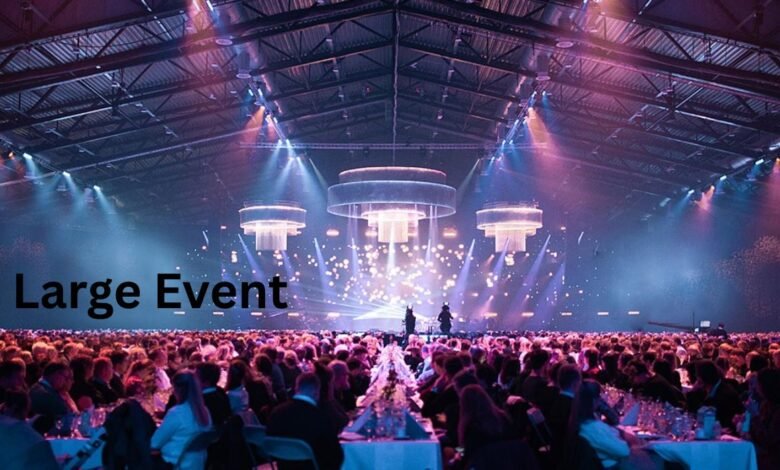
Planning a Large Event involves many moving parts, from choosing the right venue and setting a realistic budget to coordinating guests, staff, vendors, technology, catering, and safety arrangements. Whether the occasion is a business conference, wedding, fundraiser, festival, community gathering, or product launch, detailed preparation can make the entire process more organized. The larger the gathering, the more important it becomes to assign responsibilities, establish deadlines, and prepare for unexpected situations. A practical checklist gives organizers a clear path from the initial idea to the final cleanup. By planning each major area in advance, event organizers can reduce confusion, improve guest comfort, and create a smoother experience for everyone involved.
Quick Information Table
| Planning Area | Important Detail |
|---|---|
| Event Purpose | Define the main goal |
| Expected Attendance | Estimate the number of guests |
| Budget | Set costs and emergency reserves |
| Venue | Check capacity and facilities |
| Event Date | Choose a suitable date |
| Registration | Organize guest information and check-in |
| Catering | Plan meals, drinks, and dietary needs |
| Security | Establish access and safety procedures |
| Staffing | Assign specific responsibilities |
| Technology | Prepare sound, lighting, screens, and internet |
| Transportation | Plan parking and arrival options |
| Accessibility | Consider accessible entrances and facilities |
| Emergency Plan | Prepare responses to unexpected problems |
| Event Timeline | Set deadlines and activity schedules |
| Post-Event Review | Evaluate results and collect feedback |
1. Define the Purpose of the Large Event
Every successful Large Event should begin with a clearly defined purpose. Organizers need to understand why the event is being held and what they want attendees to experience. A corporate conference may focus on education and networking, while a fundraiser may concentrate on community support and donations. The purpose can influence the guest list, venue, program, budget, entertainment, and communication strategy. Write down the main objective before making major purchases or commitments. A clear goal also makes it easier to decide which activities are necessary and which ones could unnecessarily increase costs.
2. Create a Realistic Budget
Budgeting should happen early because almost every other planning decision depends on available funds. Make a list of expected expenses, including venue rental, catering, equipment, staff, security, transportation, decorations, entertainment, technology, marketing, permits, and other services. It is also sensible to keep a contingency amount for unexpected expenses. Last-minute equipment needs, additional guests, schedule changes, or vendor adjustments can increase costs. Keep track of deposits and outstanding payments throughout the planning process. A regularly updated budget allows organizers to identify potential overspending before it becomes difficult to correct.
3. Select the Right Venue
The venue must be appropriate for the expected number of attendees and the type of program being organized. Check the official capacity, seating arrangements, entrances, exits, restrooms, parking, accessibility features, electrical facilities, loading areas, and available technology. Consider how guests will reach the location and whether transportation options are practical. Organizers should also ask about venue policies concerning outside vendors, catering, decorations, music, security, setup, and cleanup. Visiting the location in person can help identify practical issues that may not be obvious from photographs or online information.
4. Organize Guest Registration
Managing attendees becomes more complicated as the guest list grows. Decide whether people will register online, receive invitations, purchase tickets, or attend without registration. Keep accurate registration information and communicate important details before the event. Guests may need information about the address, arrival time, parking, dress requirements, accessibility, identification, or items they should bring. For larger gatherings, organizers can use separate registration desks, badges, QR codes, or designated check-in lines. A well-planned arrival process can reduce queues and prevent unnecessary confusion at the entrance.
5. Build a Detailed Event Timeline
A comprehensive timeline should cover the entire event process rather than only the main program. Include preparation deadlines, vendor arrival times, equipment installation, staff briefings, guest registration, presentations, meals, entertainment, breaks, cleanup, and departure. Assign each important task to a specific person or team. Working backward from the event date can help determine when major responsibilities need to be completed. A shared planning document can also help the team monitor progress and quickly identify tasks that have been delayed.
6. Plan Catering and Guest Comfort
Food and beverages require careful planning when many people are expected. Estimate quantities based on confirmed attendance while allowing some flexibility for changes. Where appropriate, collect information about allergies and dietary requirements before finalizing the menu. Meal service should be scheduled so that long lines do not interfere with presentations, performances, or other activities. Guest comfort also involves seating, temperature, lighting, restroom availability, drinking water, and sufficient space for movement. If the event lasts several hours, comfortable rest areas can also be useful for attendees and staff.
7. Establish Safety and Security Procedures
Safety should be considered from the earliest planning stage. Organizers should assess potential risks based on the event’s size, audience, venue, duration, location, and activities. Identify entrances, exits, emergency routes, crowd-flow areas, and locations where congestion could develop. Depending on the event and local requirements, organizers may need security personnel, first-aid support, access controls, emergency communication systems, barriers, or coordination with venue and emergency-service teams. Staff should understand how to respond if a guest becomes ill, an evacuation is required, severe weather affects an outdoor gathering, or another unexpected incident occurs. A clear risk assessment and emergency plan can help the team respond more effectively when conditions change.
8. Prepare Technology and Equipment
Many modern gatherings rely on technology for presentations, registration, communication, entertainment, and audience interaction. Depending on the program, equipment may include microphones, speakers, projectors, screens, lighting systems, computers, internet connections, charging stations, and recording equipment. Test essential technology before guests arrive and, when possible, conduct a complete technical rehearsal. Important presentations and files should also have suitable backups. Assign someone to handle technical problems during the event so presenters and organizers do not have to stop their responsibilities to troubleshoot equipment.
9. Assign and Brief Event Staff
A large gathering usually requires multiple people with clearly defined responsibilities. Depending on the event, staff may handle registration, guest assistance, catering, security, technical support, vendor coordination, transportation, stage operations, and general logistics. Every team member should know what they are responsible for and who they should contact if a problem occurs. Hold a staff briefing before the event and provide useful information such as schedules, venue maps, contact details, emergency procedures, and important instructions. Clear delegation helps prevent duplicated work and ensures that problems reach the right person quickly.
10. Plan Transportation and Accessibility
Transportation can become a significant issue when many guests arrive at the same location around the same time. Review parking availability, drop-off areas, public transportation, traffic conditions, and possible shuttle arrangements. Send clear directions to attendees before the event and use visible signs around the venue where necessary. Accessibility should also be considered from the beginning. Check entrances, pathways, seating areas, restrooms, and other facilities to ensure that guests with different mobility requirements can use the venue comfortably. Early planning gives organizers more time to address any practical limitations.
11. Prepare for Unexpected Situations
Even detailed planning cannot eliminate every possible problem. Vendors may be delayed, equipment can stop working, attendance may change, or outdoor activities may be affected by weather. Organizers should identify the most realistic risks and prepare practical alternatives. Keep important contact numbers accessible and determine who has authority to make urgent decisions. For outdoor gatherings, consider an alternative location or weather response plan when appropriate. The purpose of contingency planning is not to predict every possible problem but to make sure the team has a clear response when circumstances change.
12. Complete Final Checks Before the Big Day
The final stage should focus on confirming that previously arranged details are ready. Recheck the venue, vendors, catering quantities, staffing schedule, equipment, guest numbers, transportation, signage, permits, and safety arrangements. Review the complete timeline with key staff members so everyone understands where they need to be and when. Prepare a central contact list containing essential vendor and staff information. On the event day, arrive early enough to inspect the venue, test equipment, check entrances and emergency routes, and confirm that the setup matches the planned layout.
13. Review the Event Afterward
The planning process should continue after the last guest leaves. Review attendance, expenses, guest feedback, vendor performance, staffing, technical problems, and unexpected incidents. Compare actual spending with the original budget and record any additional costs. If surveys were used, look for repeated feedback and practical suggestions rather than relying on isolated comments. Staff and vendors can also provide useful observations because they experience different parts of the event. Save important schedules, checklists, supplier information, and lessons learned. This review can make future event planning more efficient and help organizers avoid repeating the same problems.
Final Thoughts
A successful Large Event requires more than an attractive venue and an interesting program. Careful preparation across budgeting, registration, catering, staffing, technology, transportation, accessibility, safety, and contingency planning is essential. A detailed timeline keeps responsibilities organized, while regular communication helps the entire team work toward the same objectives. Final checks can catch problems before guests arrive, and a post-event review can turn experience into useful knowledge for future gatherings. By approaching each stage systematically, organizers can create a more organized environment for guests while making the planning process easier to manage.
Frequently Asked Questions
1. What should be planned first for a large event?
Start by defining the event’s purpose, expected attendance, budget, and basic requirements. These decisions provide a foundation for selecting the venue, creating the program, hiring vendors, and assigning staff.
2. How far in advance should a large event be planned?
The required planning period depends on the size and complexity of the gathering. Events involving large venues, numerous vendors, permits, travel arrangements, or specialized equipment generally benefit from several months of preparation.
3. How can organizers manage a large crowd?
Organizers can use clearly marked entrances and exits, organized registration areas, visible signs, trained staff, appropriate security measures, and clearly defined movement routes. Emergency procedures should also be communicated to relevant team members.
4. Why does a large event need a contingency plan?
Unexpected problems such as equipment failures, vendor delays, weather changes, medical incidents, or attendance fluctuations can affect an event. A contingency plan gives organizers practical alternatives and establishes who should respond when something goes wrong.
5. What should happen after a large event?
Organizers should review attendance, expenses, guest feedback, staff performance, vendor service, technical issues, and unexpected problems. Recording these observations creates a useful reference for improving future events.