

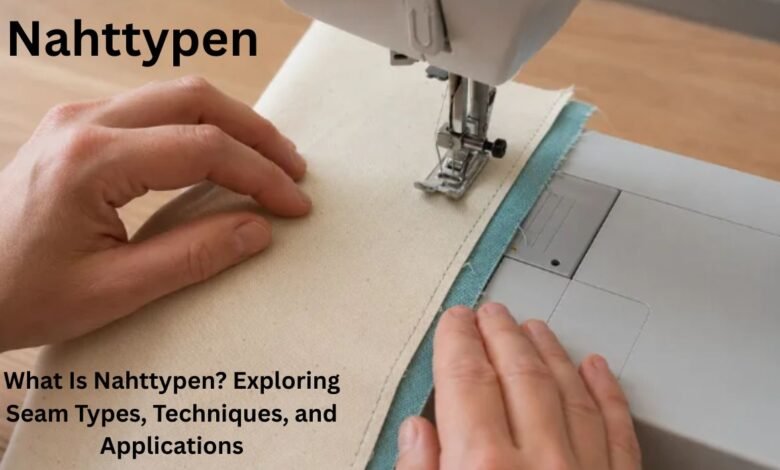
Nahttypen is a German term used to describe different types of seams used in sewing and textile construction. A seam is more than simply a line of stitches joining two pieces of fabric; its construction can influence the strength, flexibility, appearance, comfort, and durability of a finished item. Different fabrics and projects require different approaches, which is why understanding seam types is an important part of learning sewing. Whether someone is making a simple shirt, repairing clothing, creating home textiles, or working on professional garments, knowing how various seams function can make construction easier and more reliable. This guide explains common Nahttypen, their characteristics, techniques, and practical applications in a straightforward way.
2. Quick Information Table
| Data Point | Information |
|---|---|
| Term | Nahttypen |
| Language | German |
| English Meaning | Seam types |
| Main Field | Sewing and textile construction |
| Primary Purpose | Joining fabric pieces |
| Common Basic Seam | Plain seam |
| Enclosed-Edge Seam | French seam |
| Strong Construction | Flat-felled seam |
| Edge-Finishing Method | Overlock or serged seam |
| Stretch-Friendly Options | Zigzag, stretch, and overlock stitches |
| Common Materials | Cotton, linen, wool, denim, silk, polyester |
| Important Factors | Fabric type, strength, flexibility, and finish |
| Common Tools | Sewing machine, needle, thread, scissors, iron |
| Skill Range | Beginner to advanced |
| Applications | Clothing, accessories, home textiles, and industrial products |
3. Understanding the Meaning of Nahttypen
Nahttypen is a German plural term that refers to different types of seams used in sewing and textile construction. The word “Naht” refers to a seam or sewn connection, while “Typen” means types. In practical terms, Nahttypen describes the various methods used to join fabric or textile materials. Although the basic purpose of a seam is to connect materials, the construction can vary considerably. Some seams leave fabric edges exposed, while others enclose them. Some are designed primarily for strength, whereas others focus on flexibility, neatness, comfort, or decorative appearance. Understanding these differences helps sewists recognize why particular seam constructions are selected for specific fabrics, garments, and textile projects.
4. Why Seam Selection Is Important
Choosing an appropriate seam can affect how a finished product looks and performs. A seam that works well on lightweight cotton may not be appropriate for heavy denim or a stretchy knitted fabric. Similarly, a garment that experiences frequent movement needs construction that can tolerate repeated stress without becoming damaged. Seam selection can also influence comfort because bulky or poorly finished seams may rub against the skin. For this reason, Nahttypen are useful to understand before beginning a sewing project. Considering fabric weight, fraying, stretch, seam position, washing requirements, and the intended use of the finished item can help determine the most practical construction.
5. Plain Seams for Everyday Sewing
The plain seam is one of the simplest and most frequently encountered seam constructions. Two pieces of fabric are positioned together and stitched along the required seam allowance. After sewing, the seam can normally be pressed open or toward one side, depending on the project. This method is common in dresses, shirts, skirts, trousers, cushions, and many other textile products. Its straightforward construction makes it particularly useful for beginners who are developing basic sewing skills. One limitation is that the raw edges may remain exposed, so additional finishing can be necessary when the fabric frays easily. A zigzag stitch, overlock stitch, binding, or another edge treatment can be used according to the material and design.
6. French Seams for a Clean Finish
A French seam is designed to hide the raw edges of the fabric within the finished construction. It is particularly useful when a neat interior is important, such as with lightweight garments and delicate fabrics. The technique involves more than one stitching stage because the fabric is folded in a way that eventually encloses the cut edges. Accuracy is important because an incorrectly sized seam allowance can affect the final appearance. French seams are often associated with fine shirts, blouses, nightwear, and lightweight dresses. They may not be the best choice for every thick fabric because enclosing multiple layers can create unnecessary bulk.
7. Flat-Felled Seams for Durability
Flat-felled seams are recognized for their strong and relatively flat construction. The raw fabric edges are enclosed within the seam, creating a durable finish that can handle repeated use. This type of construction is commonly seen in products such as jeans, workwear, shirts, and other garments where durability matters. Producing a flat-felled seam requires careful folding and stitching, particularly because several layers can be present in some areas. The additional construction can take more time than a basic seam, but the result can provide both strength and a clean appearance. This makes it an important example of how different Nahttypen can serve different practical purposes.
8. Overlock and Serged Seams
Overlock or serged construction is widely used in modern garment making. An overlock machine can join fabric layers while simultaneously finishing the edge, depending on the selected stitch and machine setup. This makes the process efficient and can produce a professional-looking edge. Overlock stitching is particularly useful for fabrics that tend to fray and is also commonly used with knitted materials. Machine settings such as thread tension, stitch width, stitch length, and differential feed can influence the final result. For beginners, practicing on scraps is helpful because different fabrics can behave differently under an overlock machine.
9. Seams for Stretch Fabrics
Stretch and knitted fabrics require special attention because they can move and expand during wear. A standard straight stitch may not always provide the flexibility needed in areas that need to stretch. Depending on the sewing machine and material, a narrow zigzag, suitable stretch stitch, or overlock construction may be used. The fabric should also be handled carefully during sewing because pulling it excessively can produce a wavy or distorted seam. These considerations are particularly relevant when making T-shirts, activewear, leggings, sports clothing, and other flexible garments. Choosing an appropriate seam allows the construction to work with the fabric rather than restricting its natural movement.
10. Decorative and Topstitched Seams
Some seam techniques have both a structural and decorative function. Topstitching is a common example because visible stitching can reinforce a construction while also becoming part of the garment’s design. It can be used around pockets, collars, cuffs, panels, hems, and other details. Decorative stitching may involve contrasting thread, multiple rows, or specialized machine stitches. Denim clothing frequently uses prominent topstitching as a design element. Because these stitches are visible, accuracy becomes especially important. Consistent spacing, an appropriate thread, careful fabric preparation, and proper pressing can all help create a more polished result.
11. How to Choose the Appropriate Seam
There is no single seam that is ideal for every sewing project. The best choice depends on several characteristics of the fabric and the finished product. Lightweight material may benefit from an enclosed-edge construction, while thick denim may require a stronger seam. Stretch garments need flexibility, whereas structured garments may place greater emphasis on stability. The location of the seam is also important because shoulder, side, crotch, armhole, and pocket areas can experience different forces during wear. When considering Nahttypen, sewists should therefore think about strength, fabric behavior, appearance, comfort, maintenance, and available equipment before choosing a construction method.
12. Techniques for Better Seam Results
Good seam construction begins with accurate preparation. Fabric should be cut carefully, seam allowances should be consistent, and the needle and thread should be appropriate for the material. Before sewing a finished garment, testing the selected seam on a scrap of the same or similar fabric can help identify problems with thread tension, stitch length, needle size, or fabric handling. Pressing is another important part of the process because properly pressed seams generally look cleaner and lie flatter. Beginners can improve their understanding of Nahttypen by practicing several seam constructions separately and comparing their strength, appearance, flexibility, and ease of sewing.
13. Applications and Final Thoughts
Different seam types appear throughout clothing, accessories, household textiles, upholstery, and industrial textile production. A single garment may even contain several different seam constructions because each area can have different requirements. A lightweight blouse might use French seams in some areas, while a pair of jeans may rely on stronger constructions and visible topstitching. Understanding Nahttypen therefore provides more than a vocabulary for naming seams; it helps explain the practical relationship between fabric, construction, durability, and design. With regular practice, sewists can become more confident in identifying seam types and selecting suitable techniques. The key is to match the construction to the material and purpose rather than assuming that one method works for every project.
Frequently Asked Questions
1. What does Nahttypen mean?
Nahttypen is a German term referring to different types of seams. In sewing and textile construction, it describes the various methods used to join fabric pieces. These methods can differ in strength, flexibility, appearance, edge finishing, and suitability for particular materials.
2. What is the simplest seam type?
A plain seam is generally one of the simplest seam constructions to learn. It involves placing two fabric pieces together and stitching them along a seam allowance. Because the technique is straightforward, it is widely used in everyday sewing and is often taught to beginners.
3. Why are French seams used?
French seams are used when a clean interior finish is desirable. The technique encloses the raw fabric edges within the seam, reducing the visibility of cut edges. It is particularly useful for many lightweight fabrics and garments where the inside finish is important.
4. What makes a flat-felled seam strong?
A flat-felled seam encloses the raw fabric edges and creates a secure, relatively flat construction. Its structure makes it suitable for garments that need to withstand frequent wear and stress, including many denim and workwear applications.
5. How should I choose a seam type?
Start by considering the fabric’s weight, stretch, tendency to fray, and intended use. Then consider where the seam will be located and whether it needs strength, flexibility, a clean interior finish, or decorative detail. Testing the technique on a fabric scrap before constructing the final item is a practical way to confirm that the chosen seam works well.