

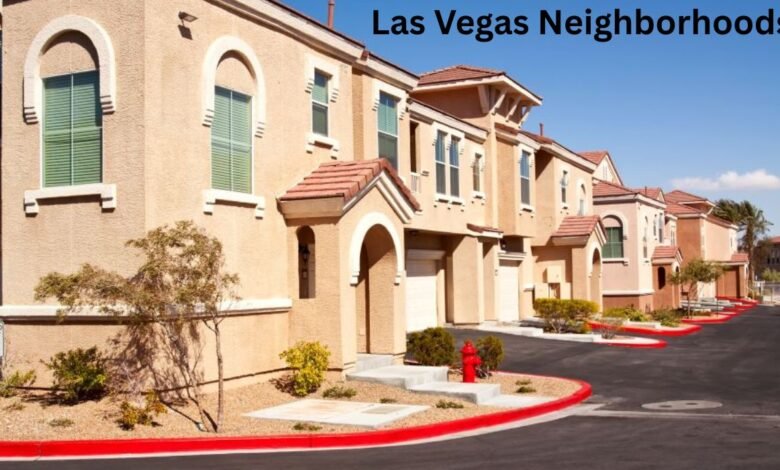
Choosing a place to live in Las Vegas involves more than finding a home that fits your budget. The Las Vegas Valley includes a wide variety of residential communities, and each area can offer a different combination of housing, lifestyle, convenience, and surroundings. Some people prefer established neighborhoods with mature streets and easy access to everyday services, while others are interested in newer developments with modern homes and community amenities. Location can also influence commuting time, recreation, shopping, and access to major roads. Understanding these differences can make the process of choosing a home much easier. This guide explores Las Vegas Neighborhoods by looking at different areas, housing options, lifestyle differences, transportation, amenities, and practical factors that buyers and renters should consider before making a decision.
Quick Information Table
| Detail | Information |
|---|---|
| Location | Southern Nevada, United States |
| Metropolitan Area | Las Vegas Valley |
| Common Housing Types | Single-family homes, condos, townhomes, and apartments |
| Community Styles | Urban, suburban, established, and master-planned |
| Climate | Hot desert climate |
| Common Lifestyle Choices | Urban, suburban, family-oriented, and entertainment-focused |
| Recreation | Parks, golf, hiking, trails, and entertainment |
| Transportation | Cars, buses, rideshare, and walking in selected areas |
| Key Housing Considerations | Location, condition, and overall housing costs |
| Rental Choices | Apartments, condos, townhomes, and houses |
| Homebuyer Considerations | Condition, location, maintenance, and neighborhood |
| Community Amenities | Parks, pools, walking paths, and recreation facilities |
| Important Research Areas | Schools, commute, services, and HOA rules |
| Outdoor Environment | Desert landscapes and mountain surroundings |
| Major Attraction Nearby | Las Vegas Strip |
1. Understanding the Las Vegas Residential Area
Las Vegas is often associated with casinos, hotels, entertainment, and the Strip, but the residential side of the city is much broader. Homes and communities extend across different parts of the valley, creating a range of living environments. Some areas are located near busy commercial districts, while others provide a more suburban atmosphere away from the major tourist zones. This difference is important for anyone searching for a permanent home or rental property. A neighborhood’s location can affect the amount of time spent commuting, shopping, attending appointments, or traveling for recreation. Instead of judging an area only by its reputation, prospective residents should consider how its location fits their normal daily routine.
2. Different Areas Within the Las Vegas Region
Las Vegas and the surrounding valley contain residential areas with different characteristics, so prospective residents should look beyond the name of a community when comparing homes. Areas such as Downtown Las Vegas, East Las Vegas, West Las Vegas, and other established communities can offer different housing styles, services, and local environments. The broader Las Vegas Valley also includes suburban communities outside the city itself, providing additional choices for buyers and renters. This geographic variety means that two properties with similar prices can provide very different daily experiences. When comparing locations, prospective residents should consider commuting time, nearby shopping, schools, healthcare, recreation, and access to major roads. Understanding the exact location and local characteristics of a property can make the housing search more practical and informed.
3. Master-Planned Communities
Master-planned communities represent another significant housing option around Las Vegas. These developments are generally designed around a broader plan that may include residential streets, parks, recreational facilities, walking paths, commercial areas, and other amenities. Depending on the development, residents may have access to swimming pools, playgrounds, sports areas, community centers, or landscaped public spaces. Newer homes can also provide modern layouts and energy-efficient features. However, buyers should investigate homeowners association requirements before purchasing. HOA fees and regulations can affect monthly expenses and decisions involving landscaping, exterior improvements, parking, and other aspects of property use. Looking at both the home and the surrounding community gives buyers a more complete picture.
4. Downtown and More Urban Areas
People who prefer an urban lifestyle may be interested in areas closer to downtown Las Vegas and central parts of the valley. These locations can provide convenient access to restaurants, entertainment, cultural activities, local businesses, and community events. Housing can include apartments, condominiums, townhomes, and smaller residential properties. Urban living can be attractive to people who enjoy having activities and services nearby, but it also comes with considerations such as traffic, parking, noise, and higher population density in certain locations. A neighborhood can also feel different during the evening compared with the daytime. Visiting a potential area at different hours can therefore provide useful insight into its actual atmosphere.
5. Suburban Areas for Families
Families often consider factors such as home size, parks, schools, shopping, healthcare, and access to everyday services when selecting a neighborhood. Suburban communities around Las Vegas can provide larger residential properties, quieter streets, parks, and convenient access to commercial centers. However, families should research individual schools and school boundaries rather than assuming that every community offers the same educational options. Childcare, transportation, recreational programs, and nearby medical services may also influence the decision. A home should be evaluated according to both present and future needs. Changes in employment, family size, school requirements, or daily activities can make a previously convenient location less suitable over time.
6. Housing Options in Las Vegas
The housing market offers more than traditional detached houses. Depending on the area, residents can find apartments, condominiums, townhomes, and single-family homes. Apartments may appeal to renters who want flexibility and fewer responsibilities for exterior maintenance. Condominiums can provide ownership opportunities along with shared amenities, although they may involve association fees and specific rules. Townhomes can offer a combination of private living space and community features. Detached houses generally provide more privacy and outdoor space but can require greater responsibility for maintenance. Comparing different property types can help buyers and renters identify an option that fits their financial situation, household size, desired privacy, and maintenance preferences.
7. Location and Daily Commute
Transportation is an important part of comparing Las Vegas Neighborhoods. The Las Vegas Valley covers a substantial area, so the distance between home, work, school, shopping, and other regular destinations can have a major effect on daily life. A property that looks attractive online may become less convenient if it creates a lengthy commute. Prospective residents should check typical travel times during the hours when they actually expect to travel. Access to major roads and public transportation can also matter. People who frequently visit a particular workplace, airport, medical facility, or school should evaluate neighborhoods in relation to those destinations rather than relying solely on distance from downtown or the Strip.
8. Lifestyle and Local Amenities
Lifestyle preferences can strongly influence which area feels appropriate. Some residents want restaurants, shopping, entertainment, and nightlife close to home, while others prefer parks, golf courses, trails, and quieter residential surroundings. Las Vegas also provides access to desert scenery and outdoor recreation, which can be appealing to people who enjoy hiking, walking, or exploring natural areas. Everyday services should receive just as much attention as major attractions. Grocery stores, pharmacies, healthcare providers, gyms, restaurants, schools, and other essential services can have a significant effect on convenience. The ideal location is not necessarily the one closest to every attraction; it is the one that provides practical access to the places a resident uses most often.
9. Climate and Home Maintenance
Las Vegas has a hot desert climate, so weather conditions should be considered when evaluating a property. Air-conditioning systems can be particularly important during periods of extreme heat. Buyers should pay attention to the age and condition of cooling equipment, roofing, windows, insulation, and other components that can influence indoor comfort and future maintenance. Landscaping is another consideration because desert conditions can affect plant choices and water use. Older homes may require additional inspections to identify problems that are not visible during a normal viewing. Understanding the maintenance requirements of a property before purchasing can help homeowners plan for future expenses and reduce the possibility of unexpected repairs.
10. Outdoor Recreation and Community Features
Outdoor opportunities can differ depending on the neighborhood’s location. Some communities are close to parks, walking paths, golf facilities, or desert landscapes, while others place residents nearer to shopping, restaurants, and entertainment. Community amenities can also influence the living experience. Certain developments provide shared pools, fitness facilities, playgrounds, sports areas, or landscaped walking routes. These features may be particularly valuable to residents who spend considerable time at home or enjoy organized recreational activities. Before paying additional HOA fees for amenities, buyers should consider whether they are likely to use them. Amenities can be attractive, but their practical value depends on an individual’s lifestyle.
11. What Buyers Should Research
Before choosing among Las Vegas Neighborhoods, prospective buyers should create a detailed checklist. Property condition is one consideration, but the surrounding area deserves equal attention. Buyers can research nearby services, traffic patterns, property taxes, insurance costs, HOA fees, community rules, and potential maintenance expenses. It is also useful to inspect a property professionally before completing a purchase. Visiting several homes in different communities can make comparisons easier. Instead of relying only on listing descriptions or photographs, buyers should examine the actual streets, nearby facilities, parking arrangements, noise levels, and accessibility. This broader approach can reveal practical differences that may not be obvious from an online property listing.
12. What Renters Should Consider
Renters should also evaluate the neighborhood carefully rather than focusing exclusively on monthly rent. Lease length, security deposits, utility responsibilities, parking, maintenance procedures, pet policies, and renewal terms can all affect the overall cost and convenience of renting. The location of the property should be compared with the renter’s workplace, school, shopping needs, and regular travel routes. Apartment communities may offer amenities such as pools, gyms, shared outdoor areas, or assigned parking, but these features can differ significantly between properties. Reading the lease carefully and understanding what is included in the rent can help prevent misunderstandings after moving in.
13. Final Thoughts
Las Vegas offers a broad selection of residential environments, making it possible to find communities suited to different lifestyles and housing preferences. Las Vegas Neighborhoods can vary in age, design, housing type, amenities, transportation access, and overall atmosphere. The most practical way to choose an area is to compare these factors against personal priorities instead of focusing on a single feature. Buyers and renters should consider commute times, property condition, monthly expenses, nearby services, recreational opportunities, and future needs. Visiting potential neighborhoods personally can also provide information that online listings cannot fully communicate. With careful research and realistic expectations, residents can narrow their choices and find a Las Vegas location that fits their everyday lifestyle.
Frequently Asked Questions
1. What types of neighborhoods are found in Las Vegas?
Las Vegas includes established residential areas, newer developments, master-planned communities, urban neighborhoods, and suburban communities. Their housing choices, amenities, surroundings, and transportation access can vary, so comparing individual areas is important before making a decision.
2. What housing options are available in Las Vegas?
Common choices include single-family houses, townhomes, condominiums, and apartments. Each option has different considerations involving privacy, maintenance, space, community amenities, association fees, and monthly costs.
3. Are HOA fees important when buying a home?
Yes. If a property belongs to an HOA, buyers should review the fees, rules, and services provided by the association. Regulations can cover areas such as landscaping, parking, exterior modifications, and property appearance, while fees can add to the ongoing cost of ownership.
4. How should I compare different Las Vegas neighborhoods?
Start by comparing location, commute times, housing types, property condition, nearby services, recreation, transportation, and overall costs. Visiting neighborhoods at different times of day can also help you understand traffic, noise, and general surroundings more realistically.
5. What should I check before renting or buying?
Look beyond the property’s appearance. Check maintenance requirements, transportation access, nearby stores and services, lease or HOA rules, additional fees, parking, and the condition of important home systems. Buyers should also consider a professional inspection before completing a purchase.